Deep Learning
Foundations and frontiers of deep learning, neural network architectures, training techniques, loss functions, regularization, and modern advances.
37 posts
-
 LLM
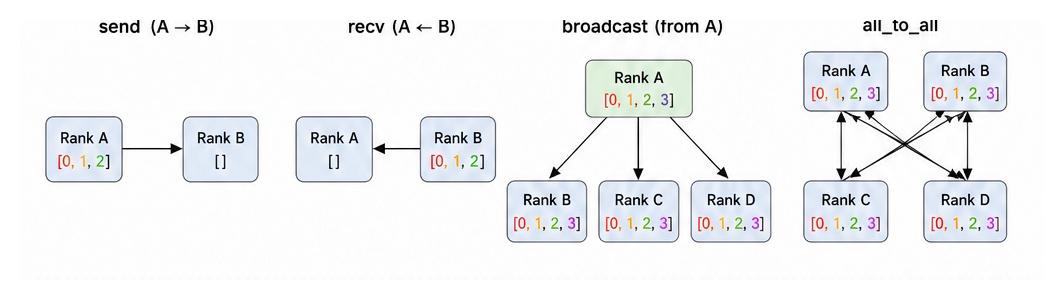
LLMDistributed Training: How to train Large Language Models (LLM)
Comprehensive guide to distributed training for LLMs covering data parallelism, model parallelism, tensor parallelism, ZeRO optimizer, FSDP, 3D parallelism, DeepSpeed with interactive visualization, code examples.
-
 LLM
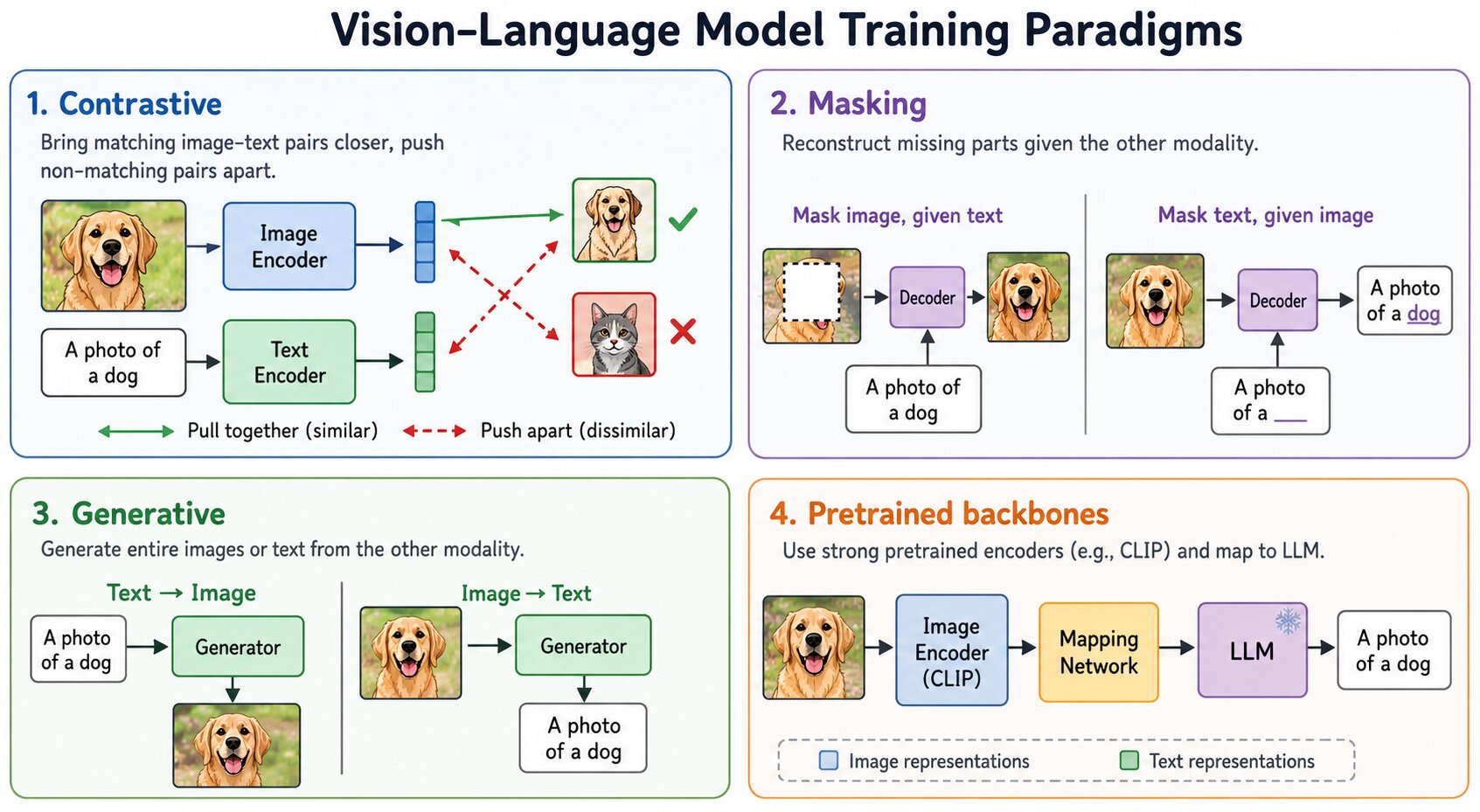
LLMVision Language Models (VLM)
Overview of Vision Language Models (VLMs) and their training paradigms: contrastive learning (CLIP), masking (FLAVA), generative approaches (CoCa, Chameleon), and pretrained backbone methods (Frozen, LLaVA, BLIP-2).
-
 CUDA
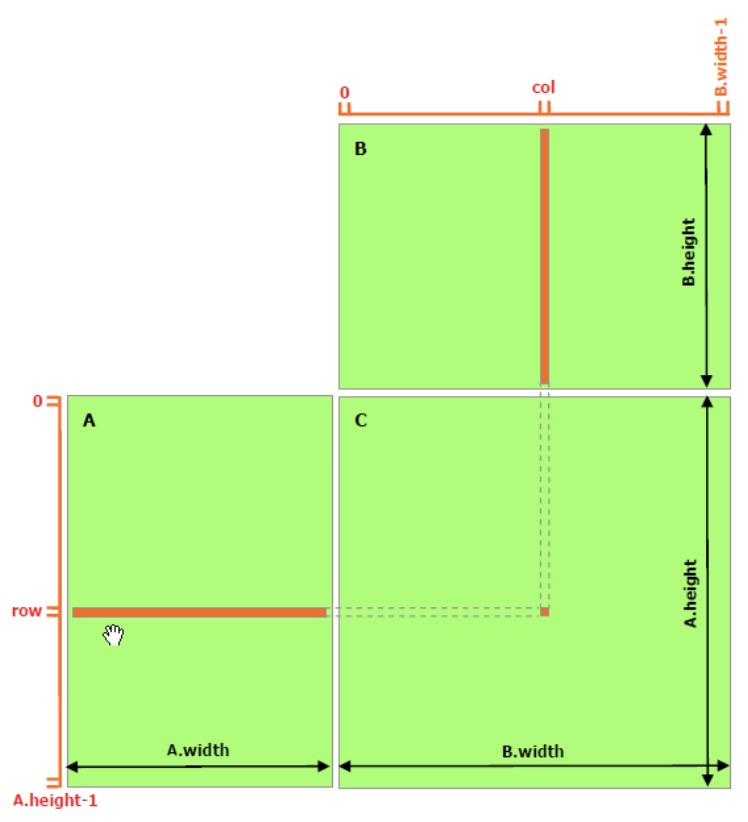
CUDAMatrix Multiplication in CUDA
Implementing matrix multiplication in CUDA from a naive CPU baseline to GPU-accelerated versions using tiled shared memory for deep learning workloads.
-
 Deep Learning
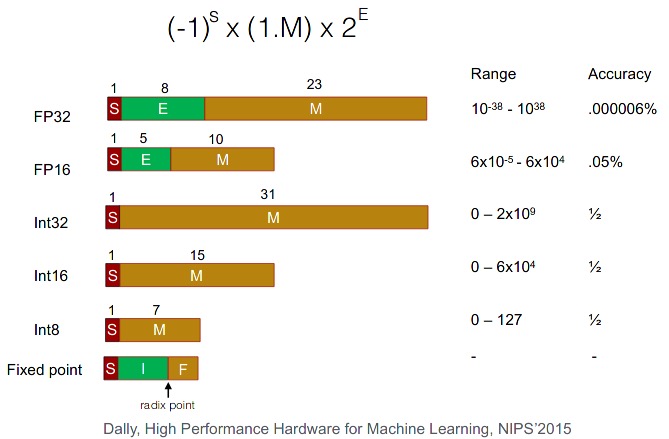
Mixed Precision and Quantization: Accelerating Deep Learning Training and Inference
Comprehensive guide to mixed precision training (FP16/FP32) and INT8 quantization, covering GPU architecture, Tensor Cores, loss scaling, AMP, PTQ, QAT, and layer fusion with practical code examples.
-
 Computer Vision
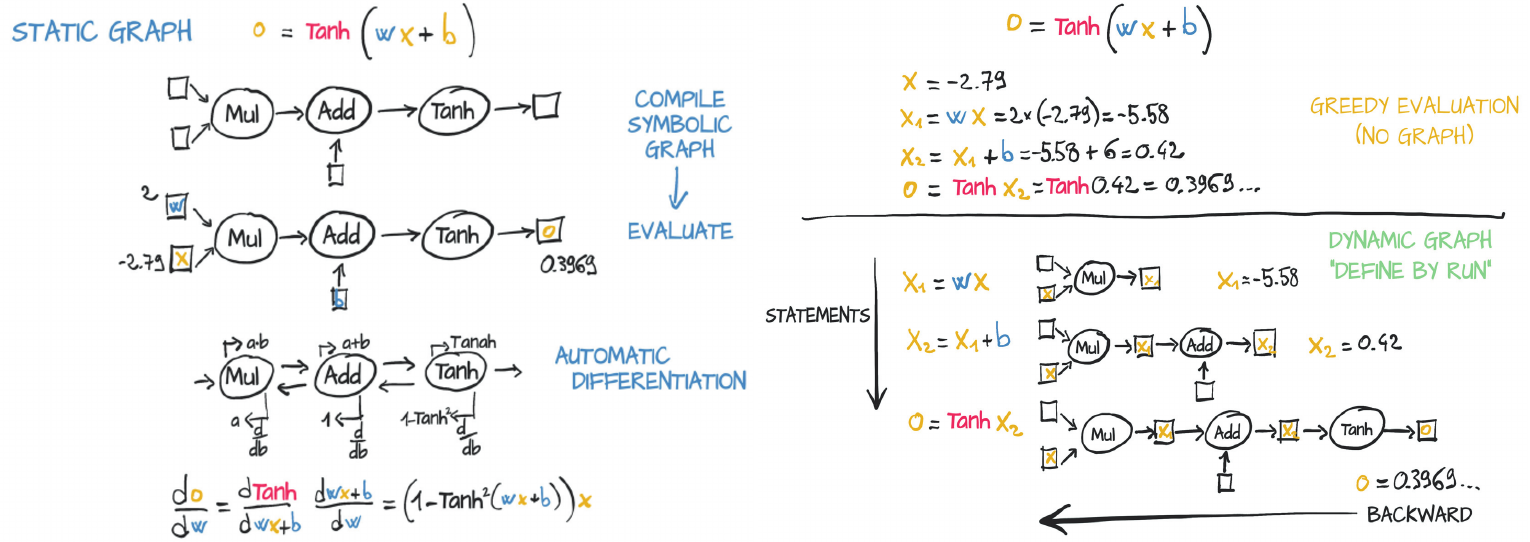
PyTorch Basic Tutorial
A practical introduction to PyTorch covering tensors, autograd, neural network modules, and key libraries like torchvision and torchaudio.
-
 Deep Learning
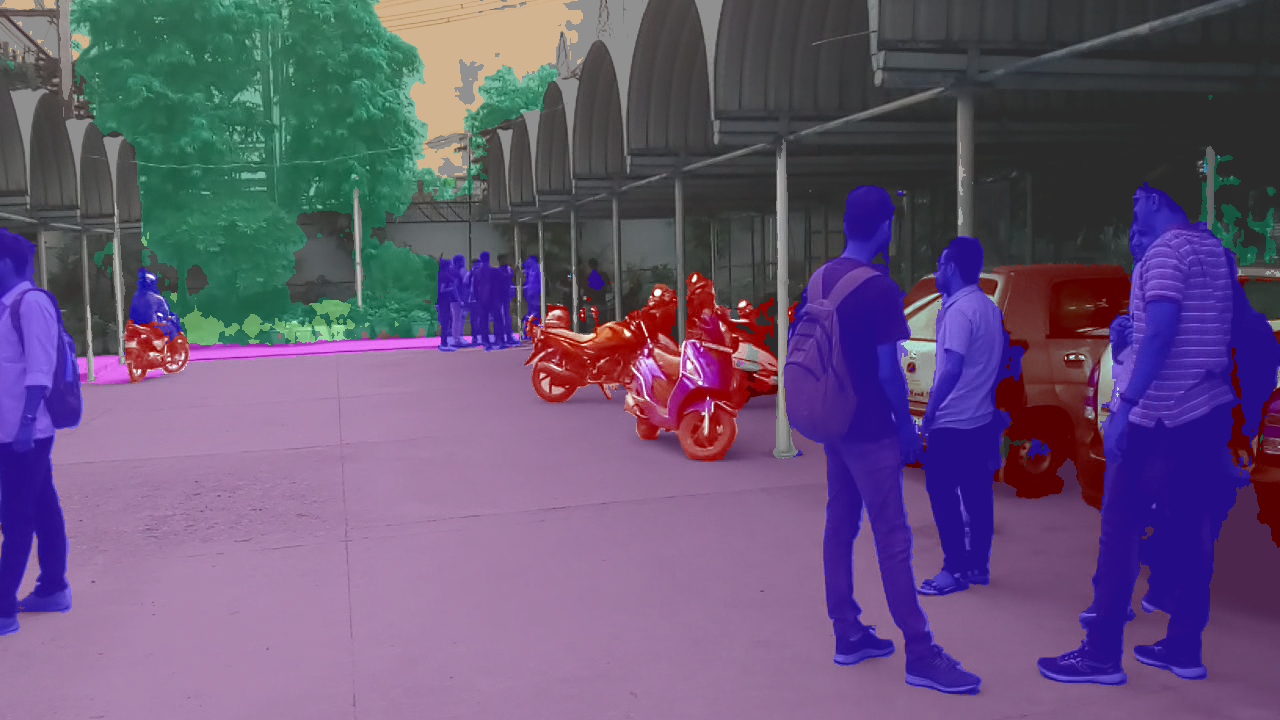
Introduction to Panoptic Segmentation: A Tutorial
Panoptic segmentation unifies semantic and instance segmentation assigning class labels and unique IDs to every pixel in an image.
-
 Deep Learning
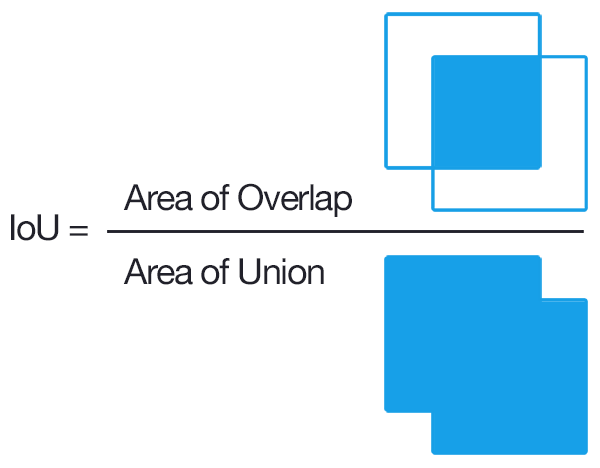
Evaluation metrics for object detection and segmentation: mAP
How IoU, precision-recall curves, and mean Average Precision (mAP) are used to evaluate object detection and segmentation models.
-
 Deep Learning
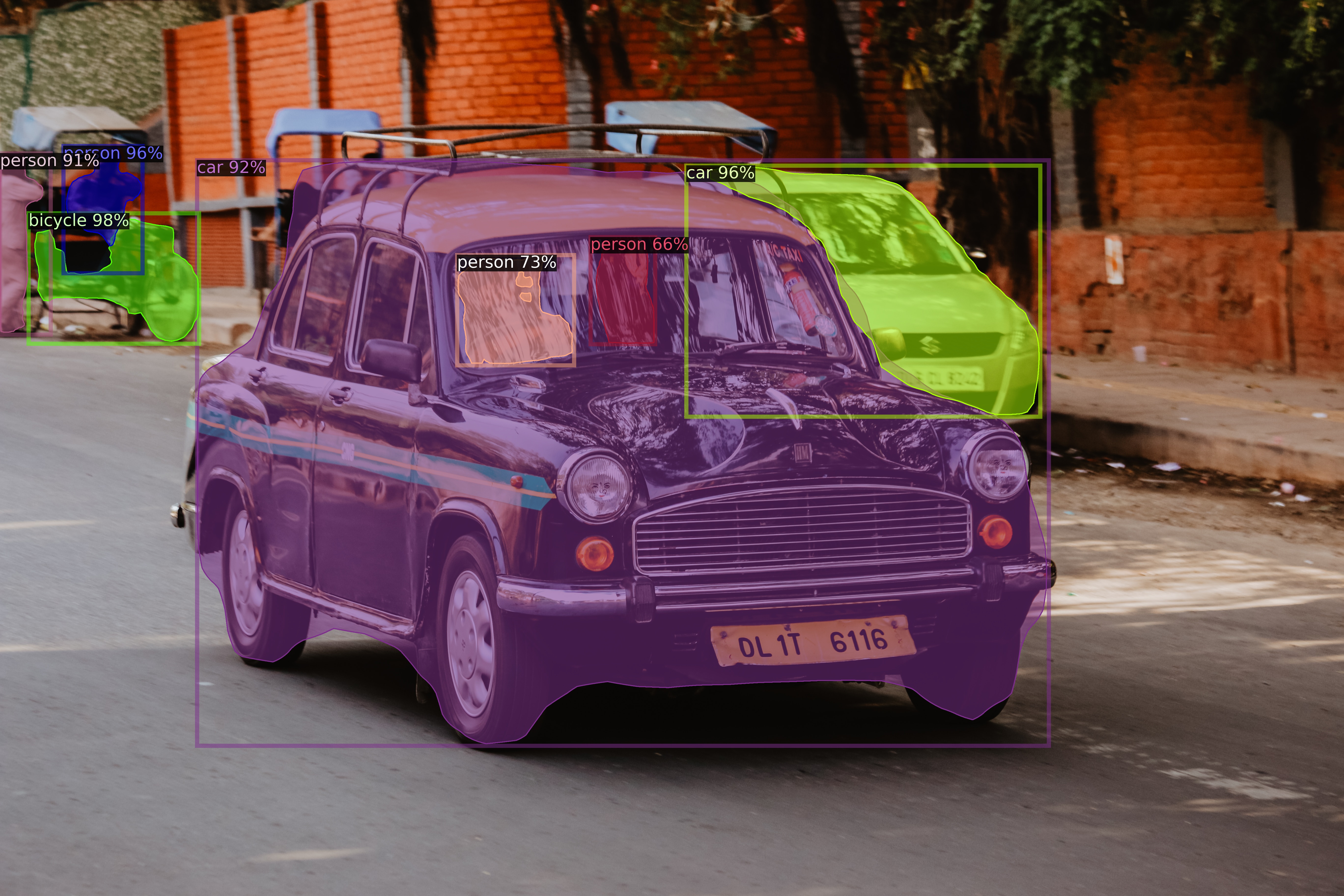
Quick intro to Instance segmentation: Mask R-CNN
Instance segmentation with Mask R-CNN: combining object detection and semantic segmentation to identify and segment each object instance separately.
-
 Deep Learning
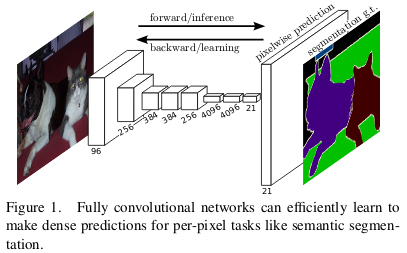
Quick intro to semantic segmentation: FCN, U-Net and DeepLab
An introduction to semantic segmentation, pixel-level classification using Fully Convolutional Networks, U-Net, and DeepLab architectures.
-
Deep Learning
Converting FC layers to CONV layers
How and why to replace fully connected layers with equivalent convolutional layers, enabling CNNs to accept arbitrary input sizes.
-
 Deep Learning
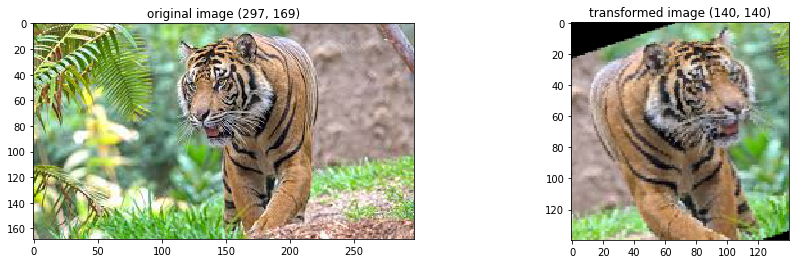
Data augmentation
How data augmentation like flipping, rotation, color jittering artificially expands training data to build more generalizable deep learning models.
-
 Deep Learning
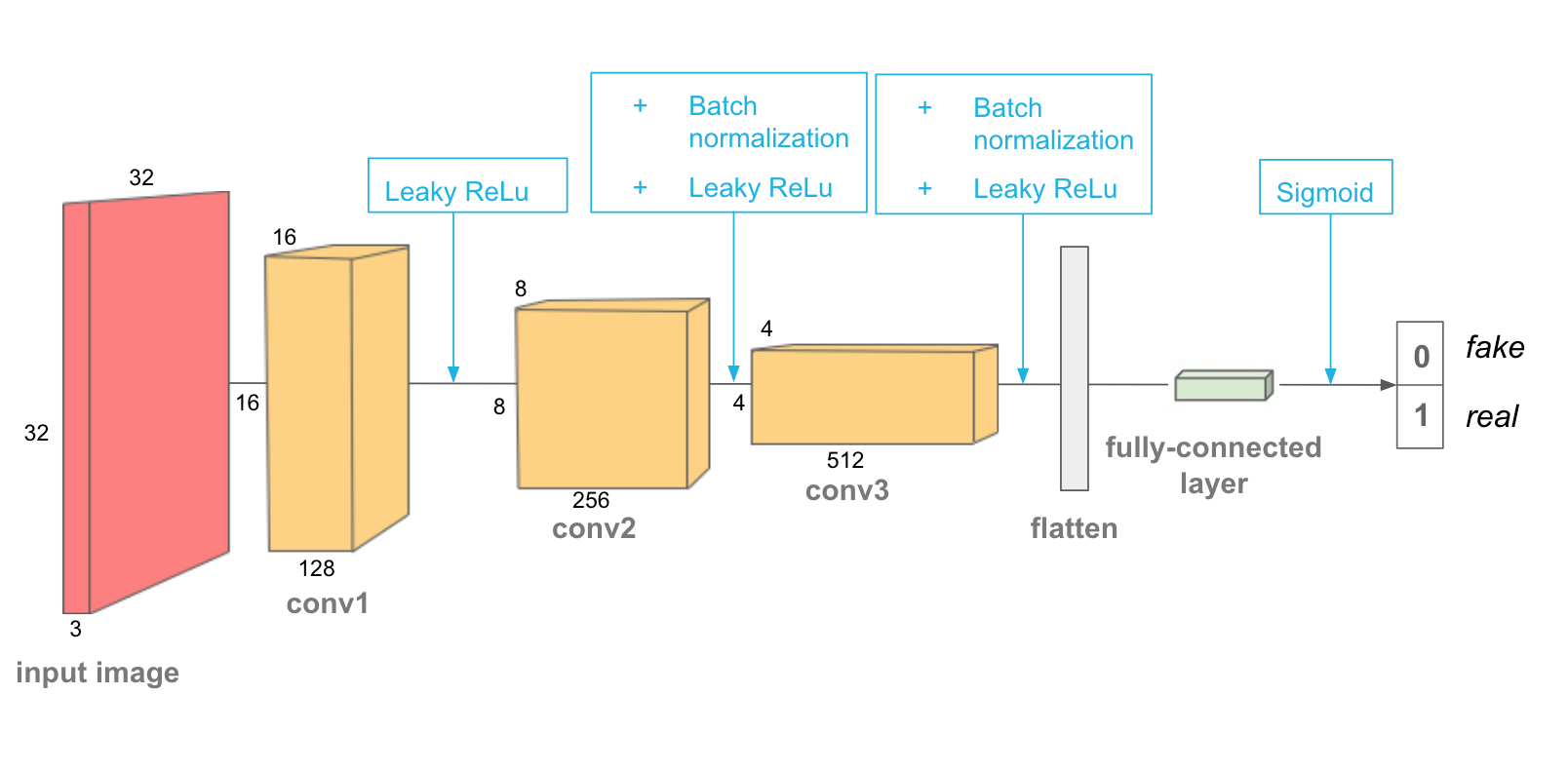
Generative Adversarial Networks variants: DCGAN, Pix2pix, CycleGAN
An overview of GAN variants, DCGAN for image generation, Pix2pix for paired image translation, and CycleGAN for unpaired style transfer.
-
Deep Learning
Layer-specific learning rates
Why using different learning rates per layer in deep networks can compensate for vanishing gradients and improve transfer learning fine-tuning.
-
 Deep Learning
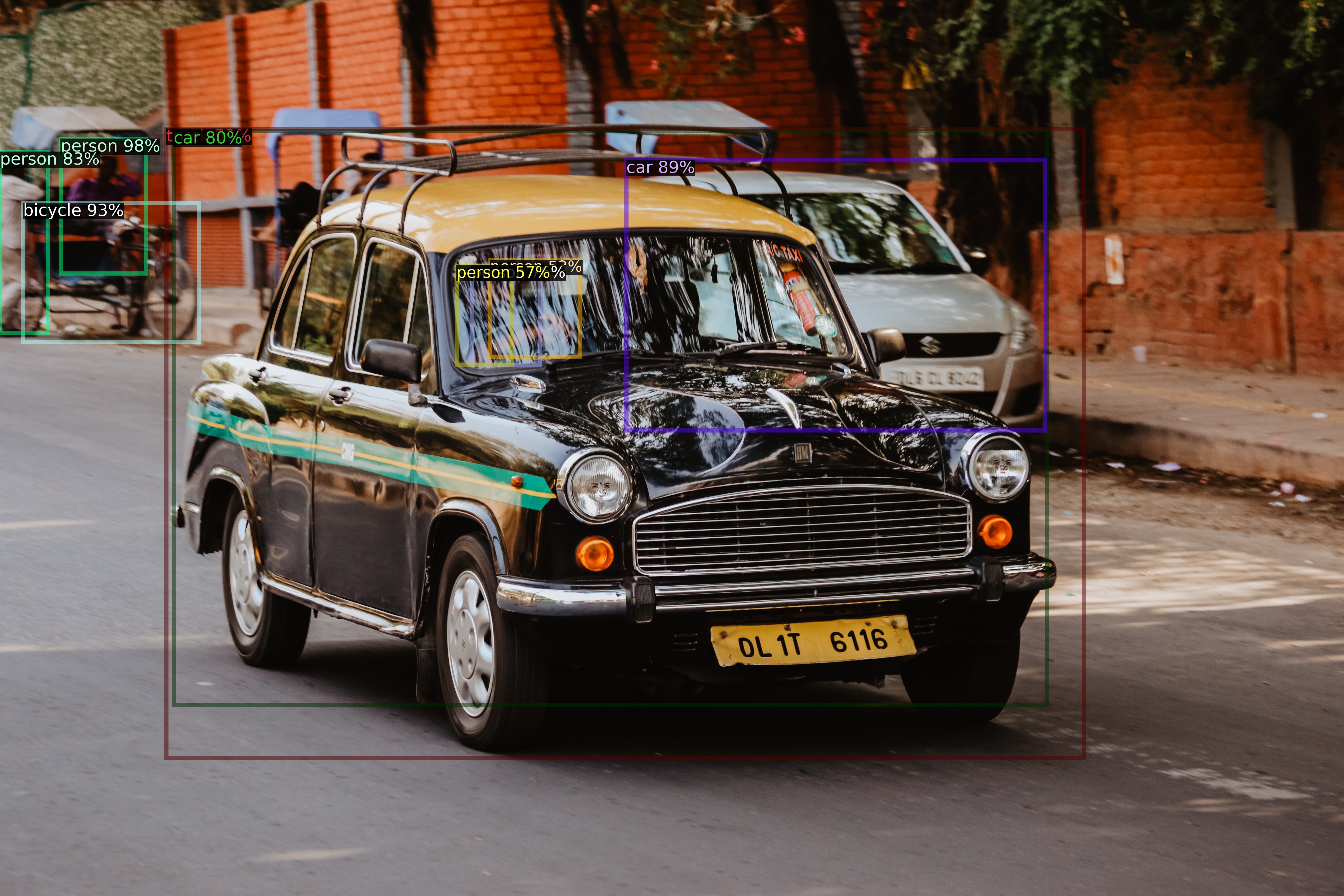
Quick intro to Object detection: R-CNN, YOLO, and SSD
A concise introduction to object detection methods, classification with localization, R-CNN family, YOLO, and SSD.
-
 Deep Learning
Attention
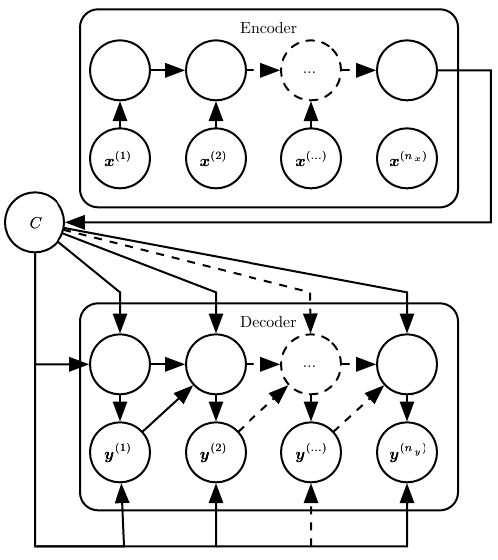
The attention mechanism in sequence-to-sequence models, how it allows the decoder to focus on relevant parts of the input at each step.
-
 Deep Learning
Backpropagation Through Time
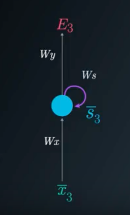
A mathematical deep dive into how gradients are computed in RNNs via Backpropagation Through Time (BPTT), explaining vanishing gradient origins.
-
 Deep Learning
Autoencoder: Downsampling and Upsampling
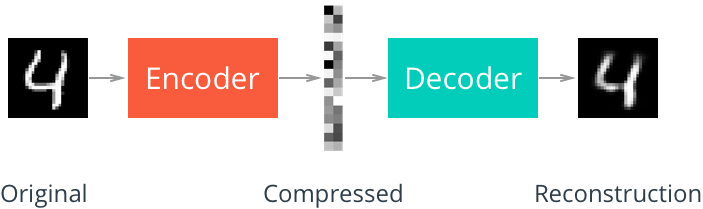
How autoencoders learn compact data representations through an encoder-decoder architecture, covering downsampling and upsampling techniques.
-
 Deep Learning
Weight initialization in neural nets
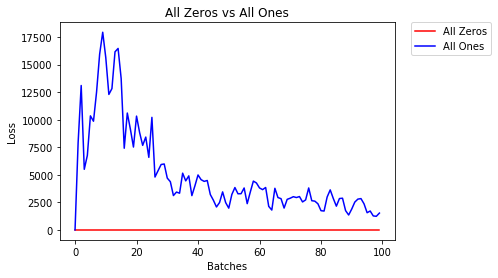
Why proper weight initialization matters in deep learning: comparing zero, random, Xavier, and He initialization strategies.
-
 Deep Learning
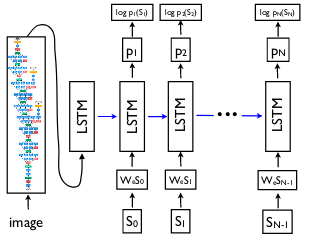
Image captioning using encoder-decoder
Building an image captioning system using a CNN encoder and RNN decoder based on the Show and Tell architecture.
-
 Deep Learning
The gradient problem in RNN
Why vanilla RNNs suffer from vanishing and exploding gradients, and how this limits their ability to capture long-range dependencies.
-
 Deep Learning
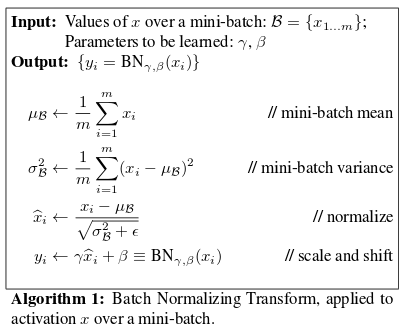
Why Batch Normalization?
How batch normalization speeds up training by normalizing hidden layer activations across the network using learnable scale and shift parameters.
-
 Deep Learning
Filters in Convolutional Neural Networks
How convolutional filters detect spatial patterns and edges by responding to high-frequency changes in image pixel intensity.
-
 Deep Learning
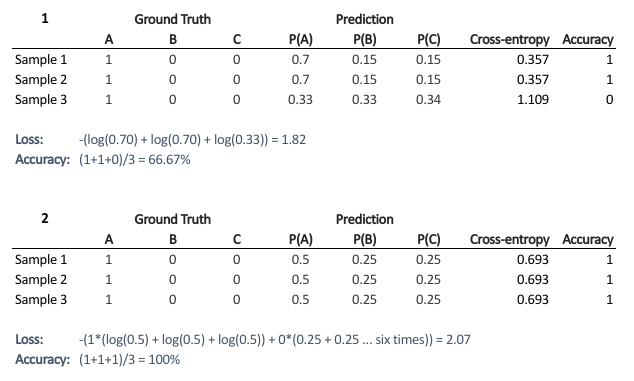
Loss vs Accuracy
The distinction between loss (cross-entropy) and accuracy in neural network training, why they can diverge and what each metric tells you.
-
 Deep Learning
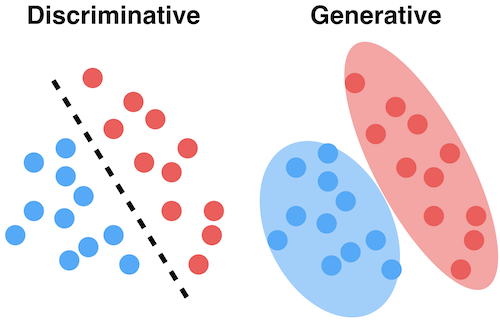
Generative models and Generative Adversarial Networks
An introduction to generative models and GANs, how a generator and discriminator compete to produce realistic synthetic data.
-
 Deep Learning
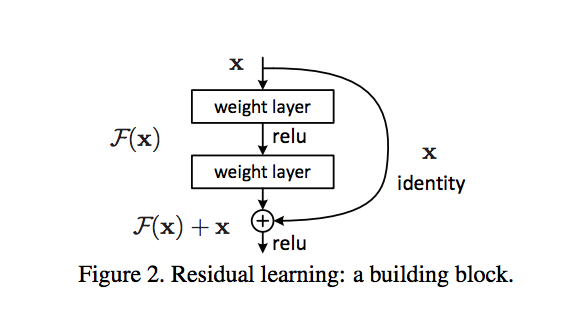
Skip connections and Residual blocks
How ResNet's skip connections and residual blocks solve the degradation problem in very deep neural networks.
-
 Data Science
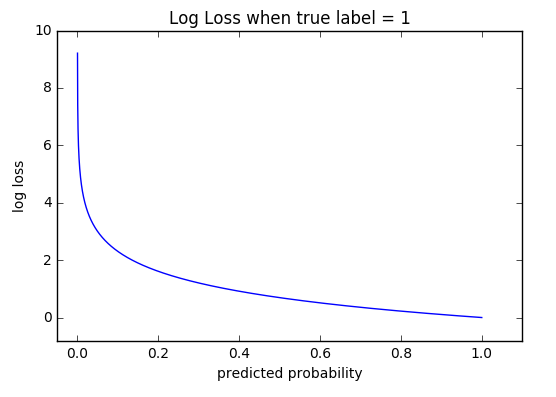
Loss functions
A survey of common loss functions MSE, cross-entropy, hinge loss, with background on entropy, KL divergence, and the MLE connection.
-
 Data Science
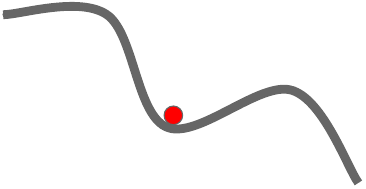
Optimizers
An overview of neural network optimizers: SGD, momentum, RMSProp, and Adam, and how they improve on basic gradient descent.
-
Deep Learning
Transfer learning: How to build accurate models
Using pre-trained CNN models via feature extraction or fine-tuning to build accurate models when training data is limited.
-
 Data Science
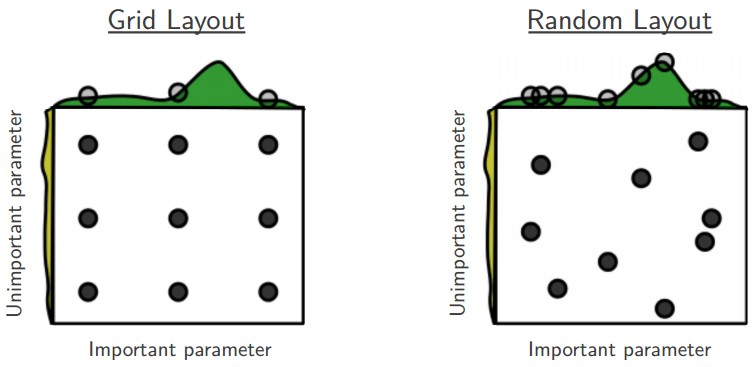
Methods of Hyperparameter optimization
Comparing hyperparameter optimization strategies like grid search, random search, and Bayesian optimization with scikit-learn examples.
-
 Deep Learning
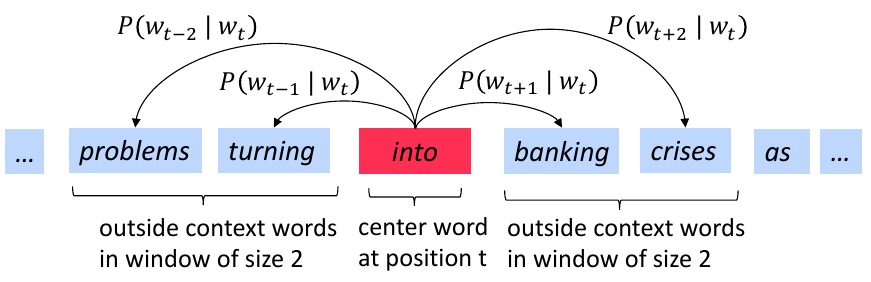
word2vec: The foundation of NLP
How word2vec represents words as dense vectors by learning from context, solving the limitations of one-hot encoding for NLP tasks.
-
 Data Science
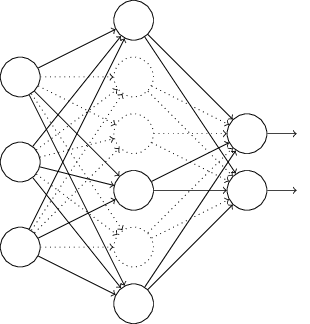
Dropout: Prevent overfitting
How dropout regularization prevents overfitting by randomly deactivating neurons during training, effectively ensembling many sub-networks.
-
 Data Science
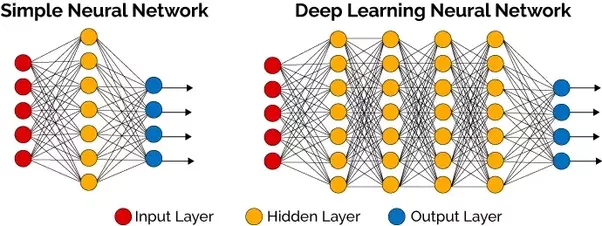
How deep should neural nets be?
Practical guidance on choosing neural network depth and layer sizes, input, hidden, and output layers for different problem types.
-
 Data Science
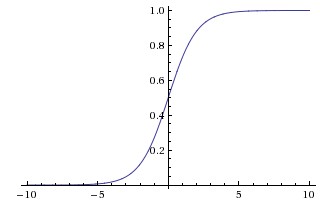
Don't use sigmoid: Neural Nets
Why sigmoid activation functions should be avoided in deep neural networks, and what alternatives like ReLU offer instead.
-
 Deep Learning
The magic behind ConvNets
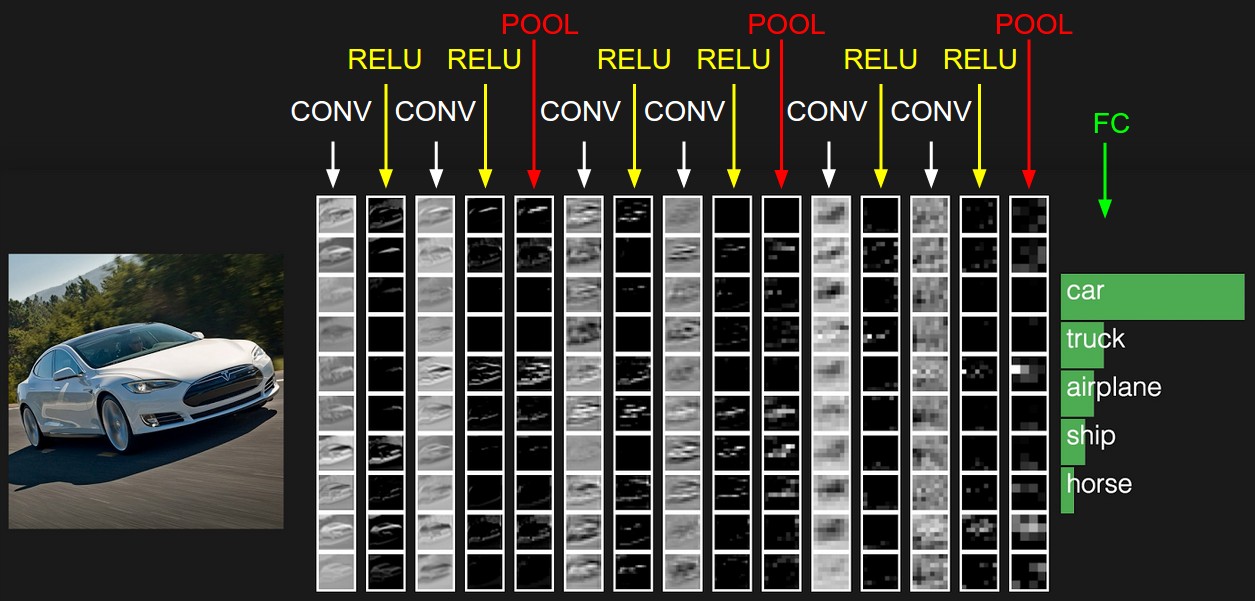
How Convolutional Neural Networks work: convolutional, pooling, and fully connected layers, and how features are extracted from images.
-
Data Science
Computational graphs: Backpropagation
Backpropagation explained via computational graphs, a local, chain-rule-based method for computing gradients efficiently in neural networks.
-
 Data Science
Gradient descent: The core of neural networks
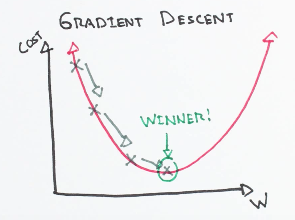
How gradient descent works to optimize neural network weights by following the steepest direction of the loss function.
-
 Data Science
Linear algebra: The essence behind deep learning
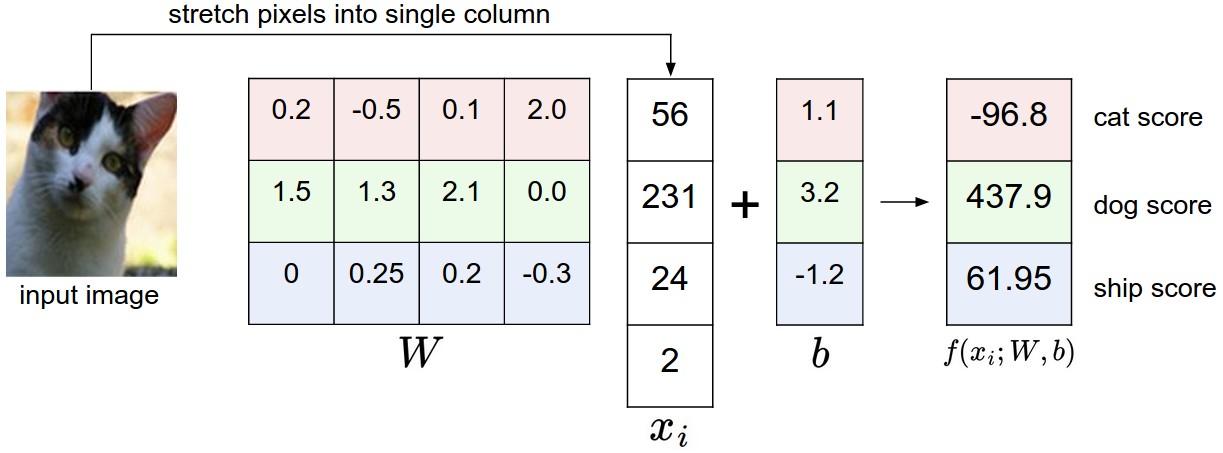
How linear algebra underpins deep learning from score functions and weight matrices to image classification with neural networks.