Technical Fridays | Blog
Personal notes on machine learning, deep learning, and software engineering — what's Technical Fridays?
- Personal
- Data Science
- Machine Learning
- Algorithms
- Cryptography
- Mathematics
- Visualization
- Deep Learning
- Computer Vision
- Natural Language Processing
- Generative AI
- Speech Recognition
- CUDA
- LLM
- Agentic AI
-
Deep Learning
Layer-specific learning rates
Why using different learning rates per layer in deep networks can compensate for vanishing gradients and improve transfer learning fine-tuning.
-
 Deep Learning
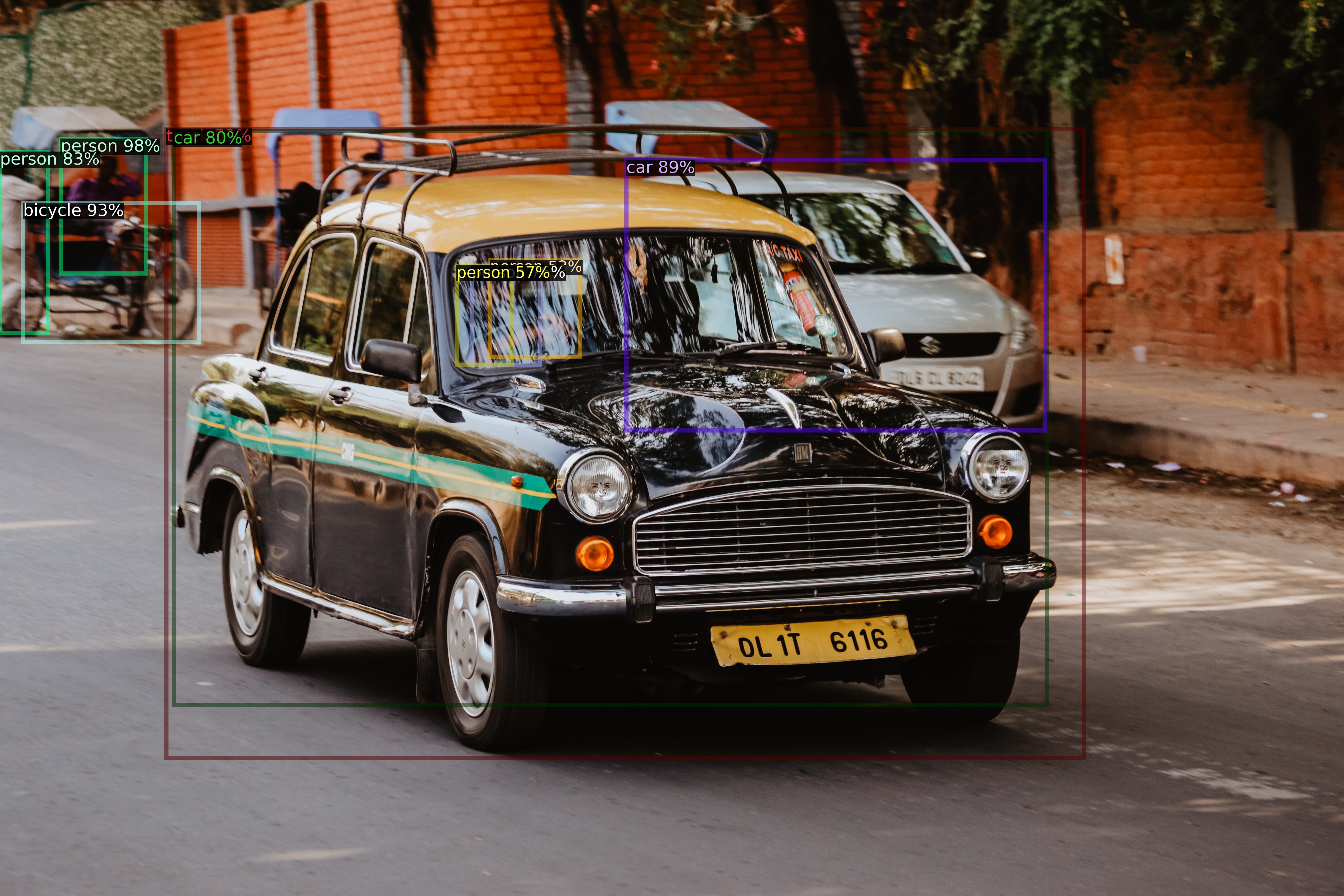
Quick intro to Object detection: R-CNN, YOLO, and SSD
A concise introduction to object detection methods, classification with localization, R-CNN family, YOLO, and SSD.
-
 Deep Learning
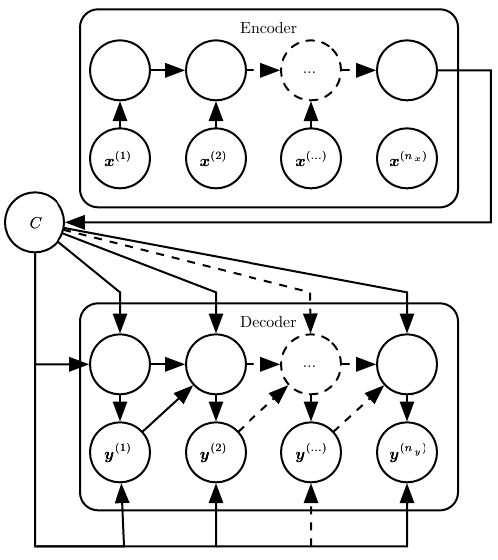
Attention
The attention mechanism in sequence-to-sequence models, how it allows the decoder to focus on relevant parts of the input at each step.
-
 Deep Learning
Backpropagation Through Time
A mathematical deep dive into how gradients are computed in RNNs via Backpropagation Through Time (BPTT), explaining vanishing gradient origins.
-
 Deep Learning
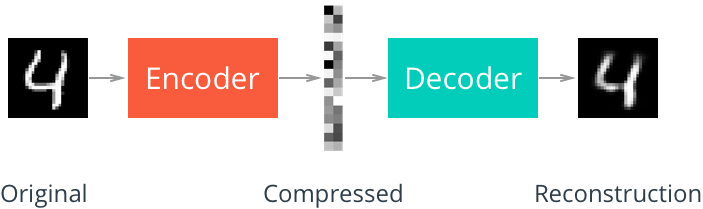
Autoencoder: Downsampling and Upsampling
How autoencoders learn compact data representations through an encoder-decoder architecture, covering downsampling and upsampling techniques.
-
 Deep Learning
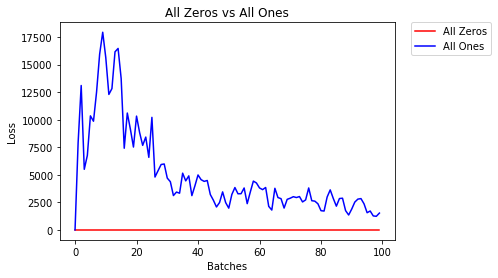
Weight initialization in neural nets
Why proper weight initialization matters in deep learning: comparing zero, random, Xavier, and He initialization strategies.
-
 Deep Learning
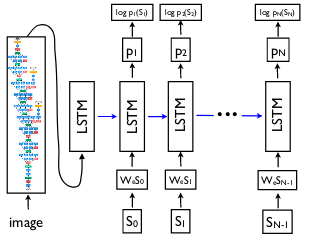
Image captioning using encoder-decoder
Building an image captioning system using a CNN encoder and RNN decoder based on the Show and Tell architecture.
-
 Deep Learning
The gradient problem in RNN
Why vanilla RNNs suffer from vanishing and exploding gradients, and how this limits their ability to capture long-range dependencies.
-
 Deep Learning
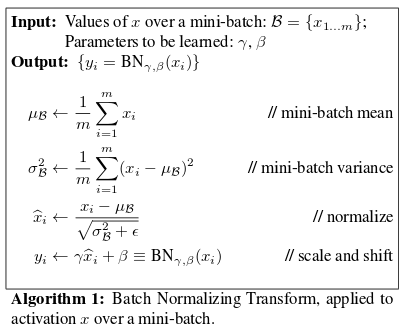
Why Batch Normalization?
How batch normalization speeds up training by normalizing hidden layer activations across the network using learnable scale and shift parameters.
-
 Deep Learning
Filters in Convolutional Neural Networks
How convolutional filters detect spatial patterns and edges by responding to high-frequency changes in image pixel intensity.