Large language models: how they work, how to use them effectively, and how to build applications on top of them including RAG, prompt engineering, and fine-tuning.
8 posts
-
 LLM
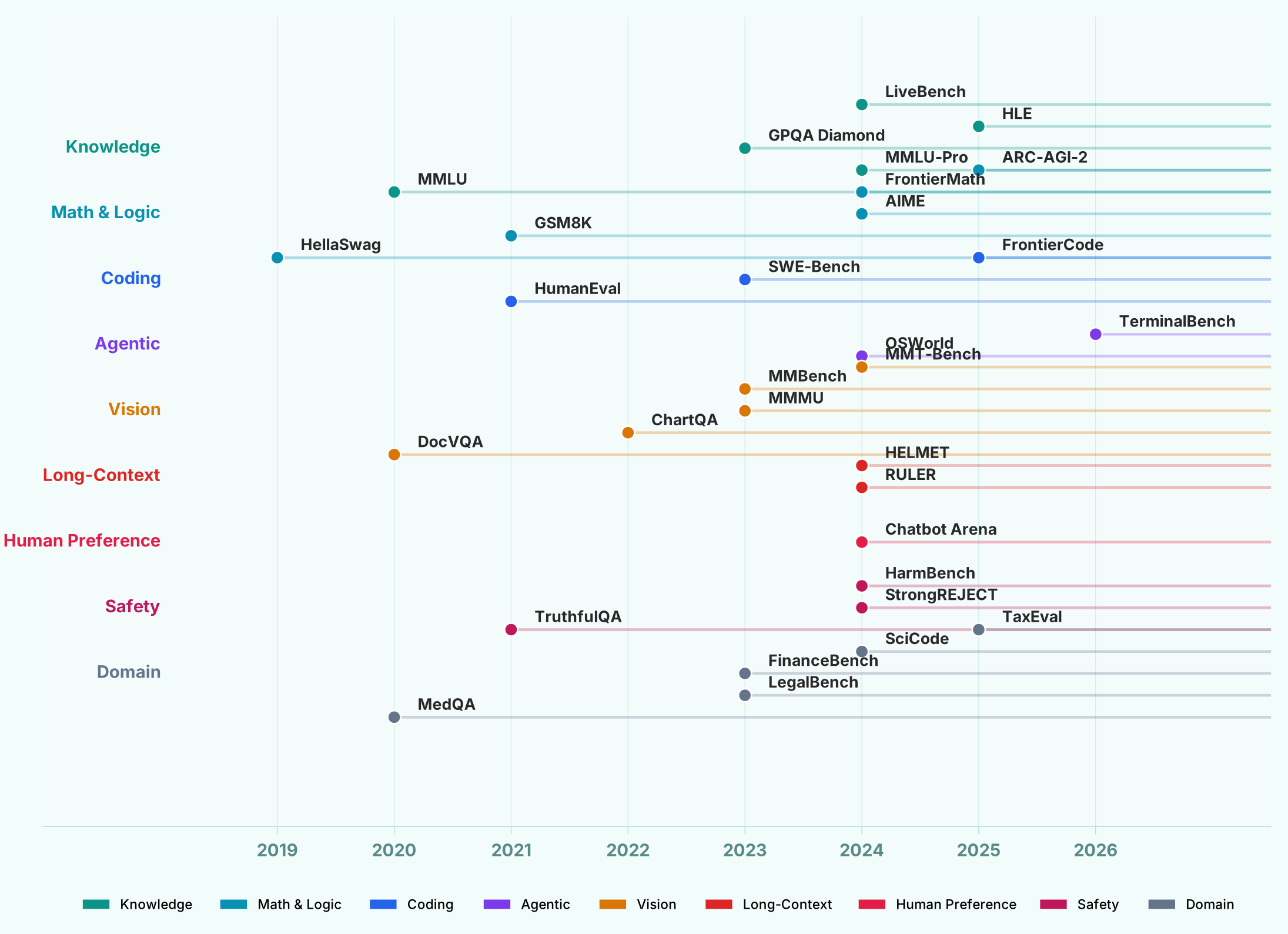
LLMFrontier AI Models Evaluation Benchmarks
A guide to frontier AI model benchmarks in 2026, covering MMLU, GPQA Diamond, HLE, SWE-bench, ARC-AGI-2, MMMU, Arena Elo, etc. What each benchmark measures, which models lead, why...
-
 Agentic AI
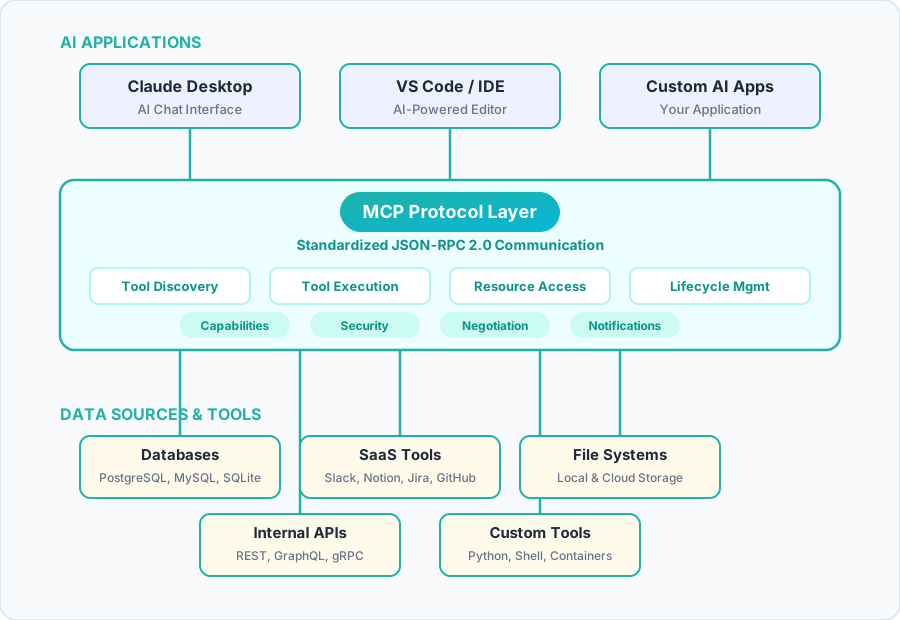
Introduction to Model Context Protocol (MCP)
MCP is an open-source protocol that standardizes how LLMs connect to external tools and data sources, replacing fragile custom integrations with a common interface.
-
 LLM
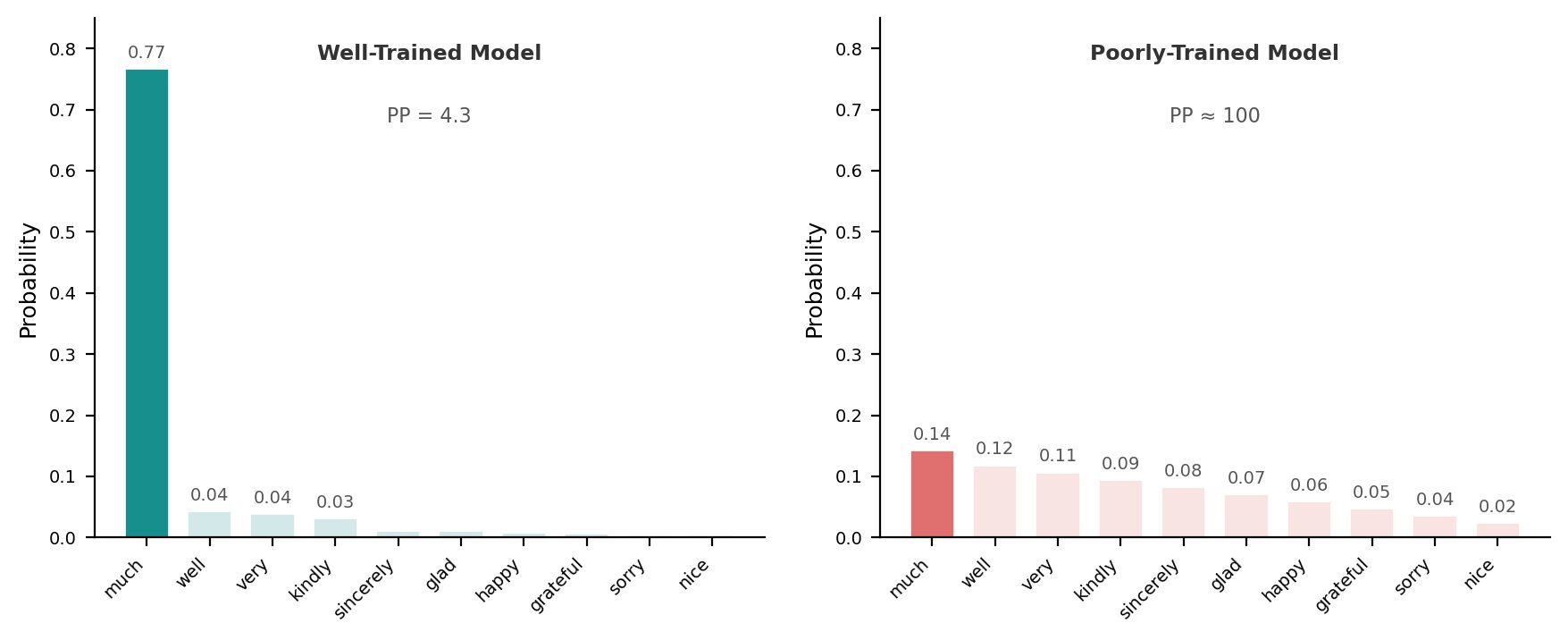
LLMEvaluation Metrics for Large Language Models
Walkthrough of evaluation metrics for large language models: perplexity, cross-entropy, BLEU, ROUGE, METEOR, CIDEr, BERTScore, RAG metrics, safety metrics, and LLM-as-a-judge, with equations and visualizations.
-
 LLM
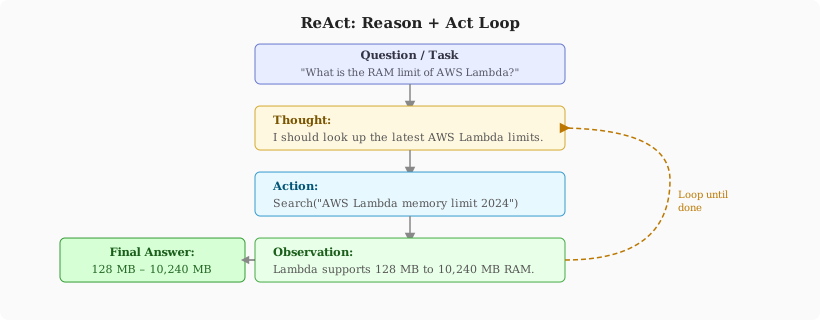
LLMPrompt Engineering Techniques: How to Write Effective Prompts
A deep-dive into prompt engineering techniques from few-shot prompting and chain-of-thought, ReAct, and prompt injections with examples.
-
 LLM
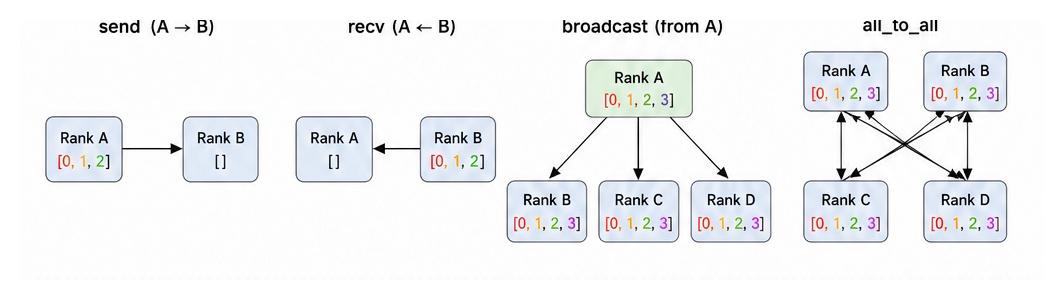
LLMDistributed Training: How to train Large Language Models (LLM)
Comprehensive guide to distributed training for LLMs covering data parallelism, model parallelism, tensor parallelism, ZeRO optimizer, FSDP, 3D parallelism, DeepSpeed with interactive visualization, code examples.
-
 LLM
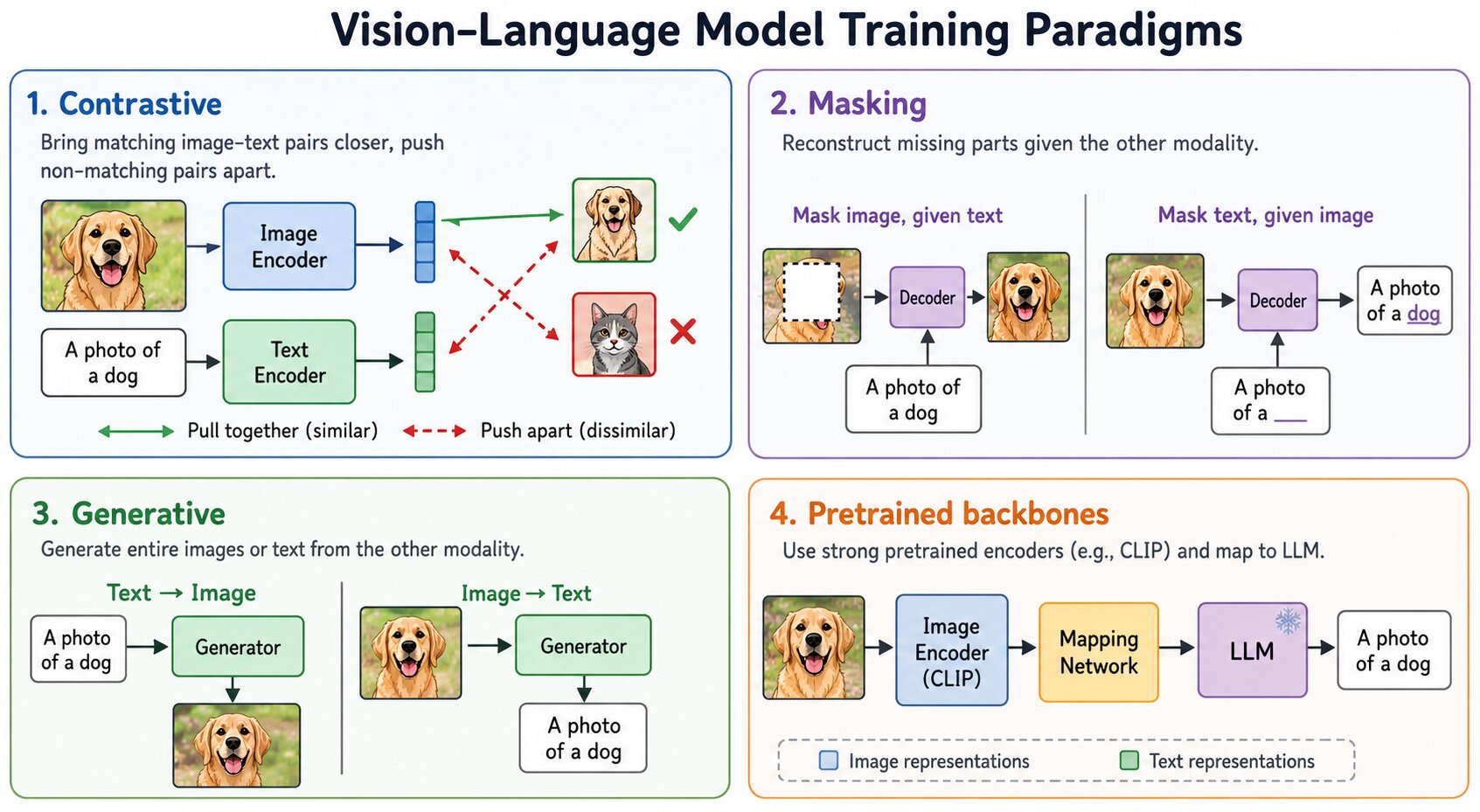
LLMVision Language Models (VLM)
Overview of Vision Language Models (VLMs) and their training paradigms: contrastive learning (CLIP), masking (FLAVA), generative approaches (CoCa, Chameleon), and pretrained backbone methods (Frozen, LLaVA, BLIP-2).
-
 CUDA
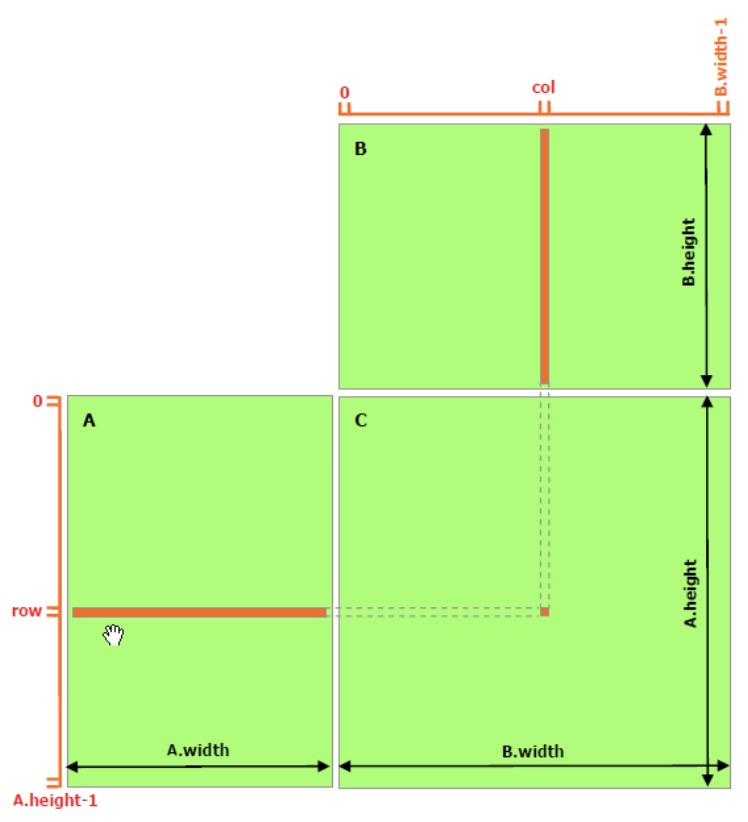
CUDAMatrix Multiplication in CUDA
Implementing matrix multiplication in CUDA from a naive CPU baseline to GPU-accelerated versions using tiled shared memory for deep learning workloads.
-
 LLM
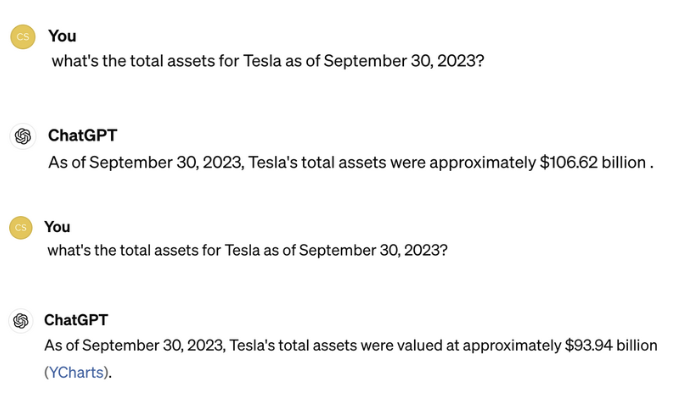
LLMRetrieval Augmented Generation (RAG) Chatbot for 10Q Financial Reports
Building a RAG-based chatbot for 10Q financial reports to reduce LLM hallucinations by grounding answers in retrieved document context.