Technical Fridays | Blog
Personal notes on machine learning, deep learning, and software engineering — what's Technical Fridays?
- Personal
- Data Science
- Machine Learning
- Algorithms
- Cryptography
- Mathematics
- Visualization
- Deep Learning
- Computer Vision
- Natural Language Processing
- Generative AI
- Speech Recognition
- CUDA
- LLM
- Agentic AI
-
Data Science
Regularization
How regularization techniques, L1 (Lasso) and L2 (Ridge), add penalty terms to the loss function to combat overfitting in linear models.
-
 Mathematics
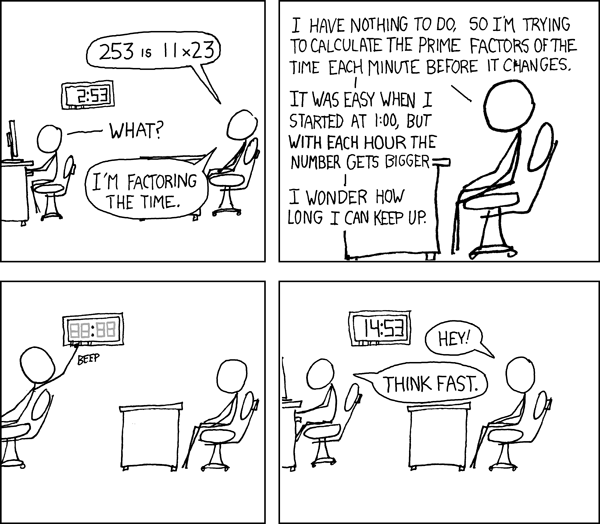
Some Prime Thoughts
Exploring prime numbers, primality testing in Python, the Fundamental Theorem of Arithmetic, and their role in cryptography.
-
 Data Science
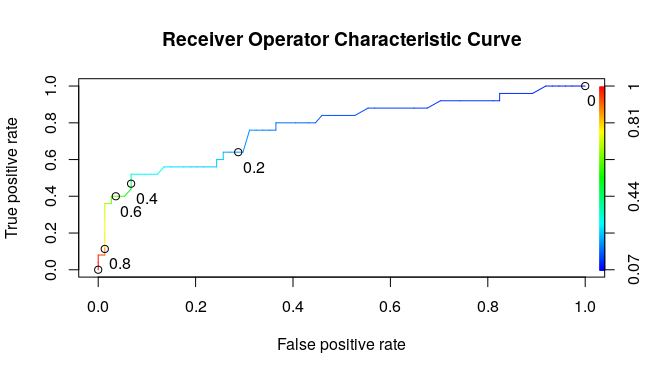
Evaluation metrics for classification and False positives
Guide to classification evaluation metrics: confusion matrix, precision, recall, specificity, F1, balanced accuracy, ROC-AUC, PR curves, handling imbalanced datasets, and when to choose each metric.
-
 Data Science
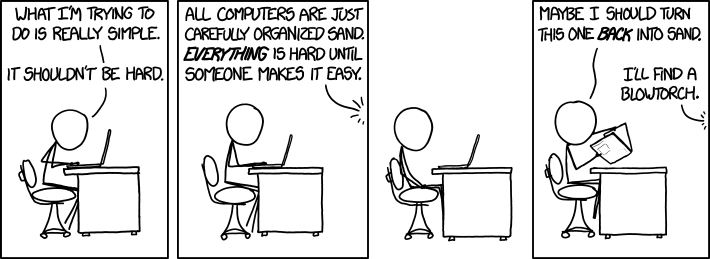
Simplicity doesn't imply accuracy
Examining Occam's razor in machine learning, why simpler models aren't always more accurate and how complexity relates to overfitting.
-
 Data Science
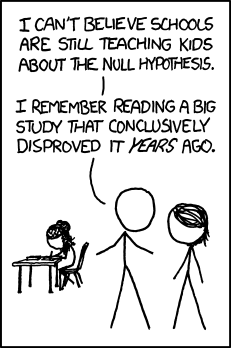
p-Value
Understanding p-values and statistical significance in the context of simple linear regression and hypothesis testing.
-
 Algorithms
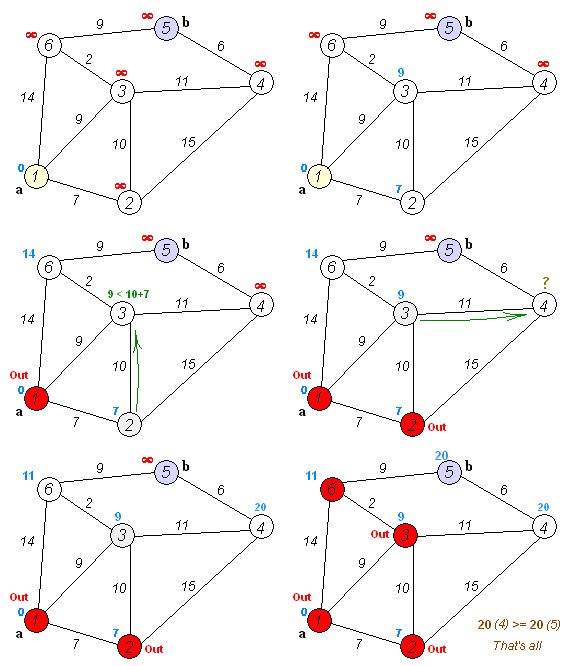
Shortest Path: Dijkstra's Algorithm
A walkthrough of Dijkstra's greedy shortest-path algorithm, foundation behind Google Maps routing, with step-by-step explanation.
-
 Algorithms
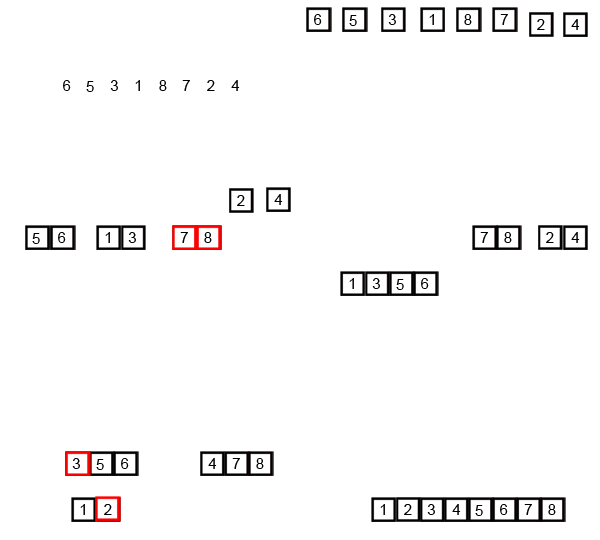
Divide and Conquer
The divide and conquer algorithm paradigm explained: breaking problems into subproblems, solving them recursively, and combining results.
-
 Algorithms
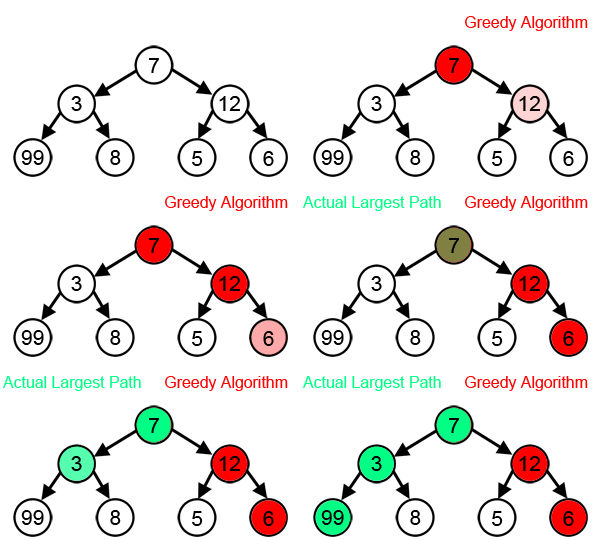
Greedy Algorithms
An introduction to greedy algorithms, a problem-solving paradigm that makes locally optimal choices to seek a global optimum, with examples and limitations.
-
 Data Science
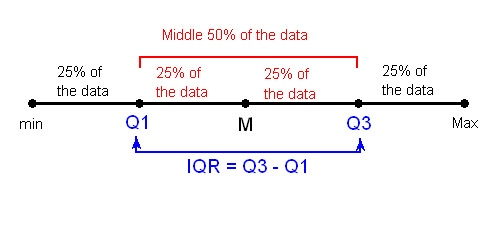
Out-liars
How to detect and handle outliers in data using the Interquartile Range (IQR) method and box plots.
-
 Data Science
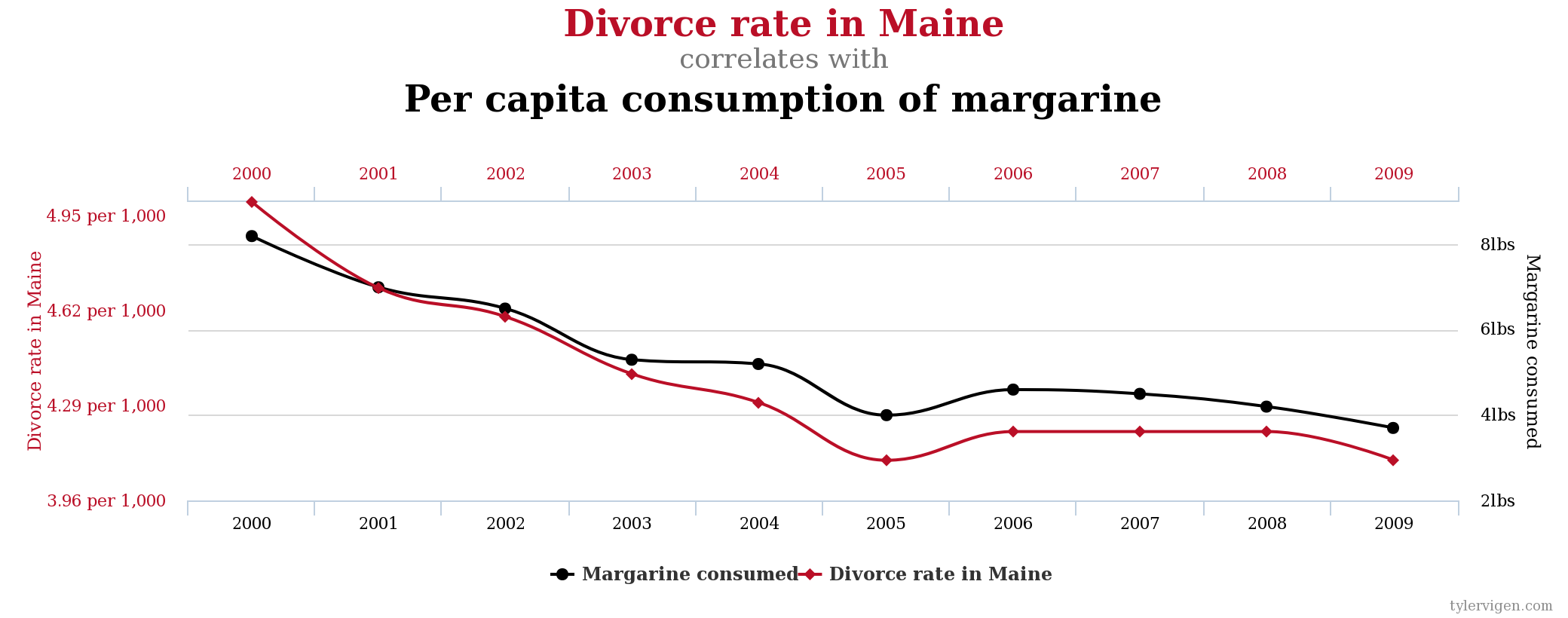
Correlation is not causation
Why correlation between two variables does not imply causation, illustrated with classic examples of spurious correlations.