Technical Fridays | Blog
Personal notes on machine learning, deep learning, and software engineering — what's Technical Fridays?
- Personal
- Data Science
- Machine Learning
- Algorithms
- Cryptography
- Mathematics
- Visualization
- Deep Learning
- Computer Vision
- Natural Language Processing
- Generative AI
- Speech Recognition
- CUDA
- LLM
- Agentic AI
-
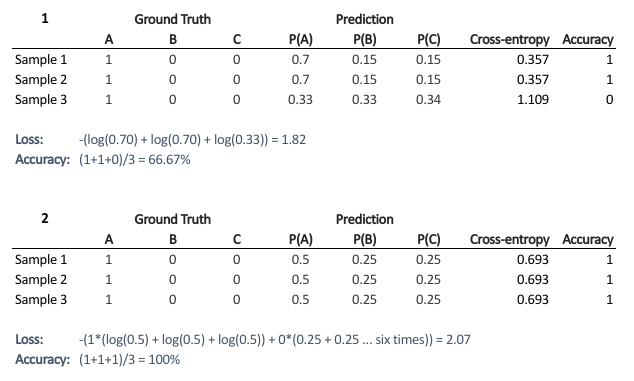 Deep Learning
Loss vs Accuracy
The distinction between loss (cross-entropy) and accuracy in neural network training, why they can diverge and what each metric tells you.
-
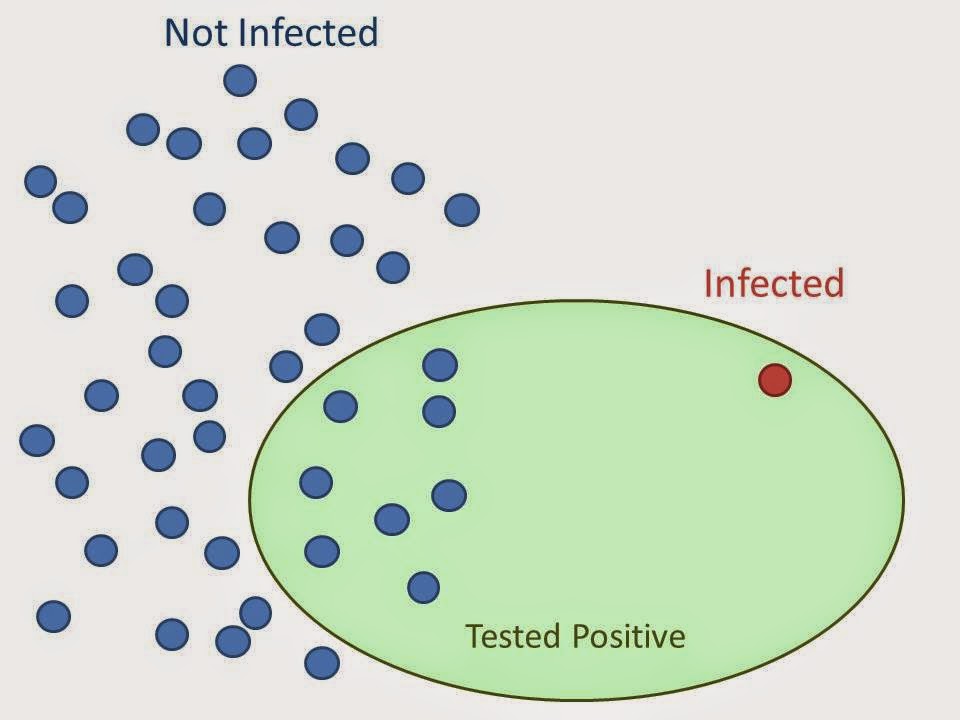 Data Science
False positive paradox
The false positive paradox: why a test with low false positive rate can still produce more false positives than true positives for rare conditions.
-
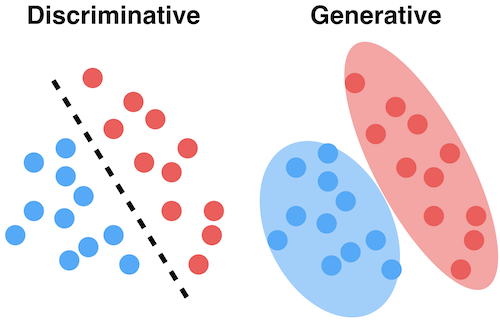 Deep Learning
Generative models and Generative Adversarial Networks
An introduction to generative models and GANs, how a generator and discriminator compete to produce realistic synthetic data.
-
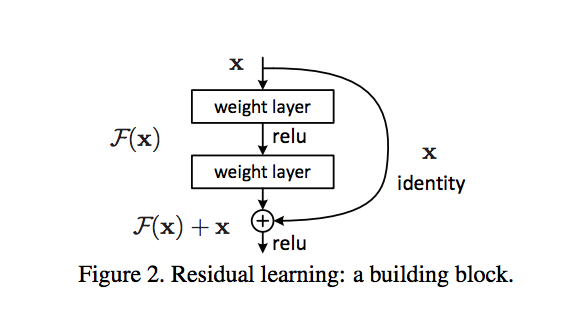 Deep Learning
Skip connections and Residual blocks
How ResNet's skip connections and residual blocks solve the degradation problem in very deep neural networks.
-
 Data Science
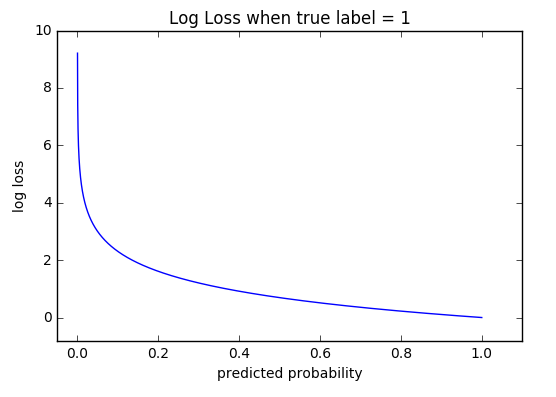
Loss functions
A survey of common loss functions MSE, cross-entropy, hinge loss, with background on entropy, KL divergence, and the MLE connection.
-
 Data Science
Optimizers
An overview of neural network optimizers: SGD, momentum, RMSProp, and Adam, and how they improve on basic gradient descent.
-
Deep Learning
Transfer learning: How to build accurate models
Using pre-trained CNN models via feature extraction or fine-tuning to build accurate models when training data is limited.
-
 Data Science
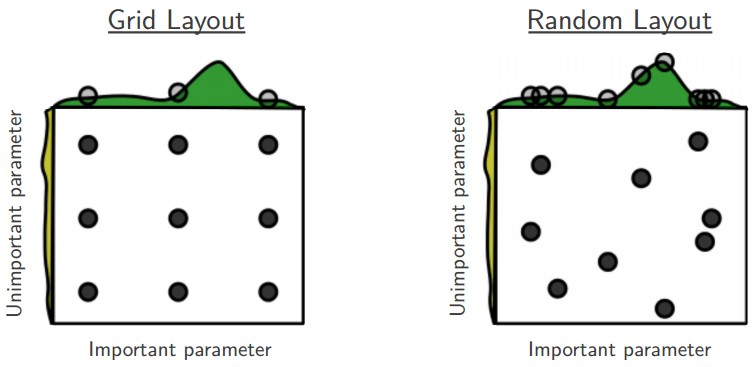
Methods of Hyperparameter optimization
Comparing hyperparameter optimization strategies like grid search, random search, and Bayesian optimization with scikit-learn examples.
-
 Deep Learning
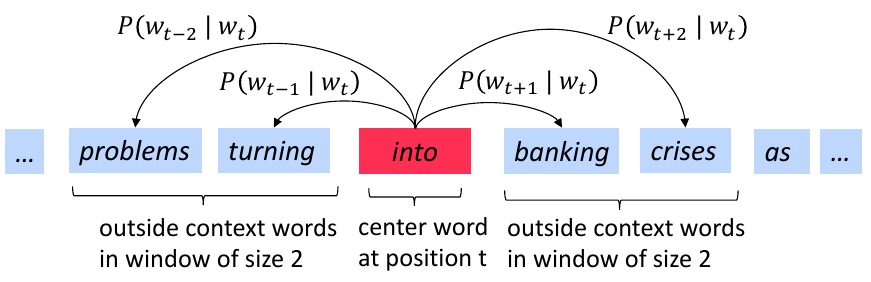
word2vec: The foundation of NLP
How word2vec represents words as dense vectors by learning from context, solving the limitations of one-hot encoding for NLP tasks.
-
Personal
A Year of Fridays
Reflecting on one year of Technical Fridays, a look back at topics covered and what was learned through consistent technical writing.