Technical Fridays | Blog
Personal notes on machine learning, deep learning, and software engineering — what's Technical Fridays?
- Personal
- Data Science
- Machine Learning
- Algorithms
- Cryptography
- Mathematics
- Visualization
- Deep Learning
- Computer Vision
- Natural Language Processing
- Generative AI
- Speech Recognition
- CUDA
- LLM
- Agentic AI
-
 Algorithms
Dynamic Programming
Dynamic programming explained through the Fibonacci sequence using memoization and tabulation to avoid redundant computations.
-
 Data Science
The Bayesian Thinking - III
Probabilistic programming with PyMC3, applying Bayesian linear regression using the Bayesian view of statistics.
-
 Data Science
The Bayesian Thinking - II
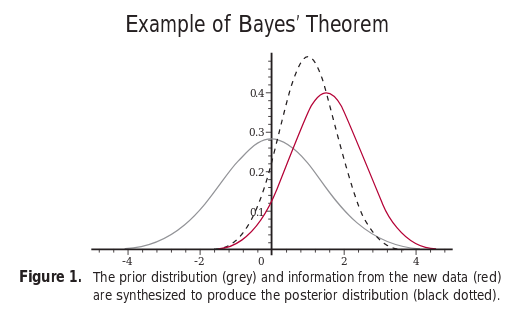
Comparing classical, frequentist, and Bayesian probability frameworks, and how Bayesian thinking updates beliefs with new evidence.
-
 Data Science
The Bayesian Thinking - I
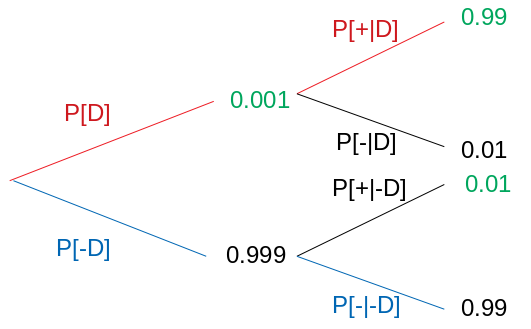
An introduction to Bayes' theorem and conditional probability through a disease-testing example that challenges intuitive reasoning.
-
 Mathematics
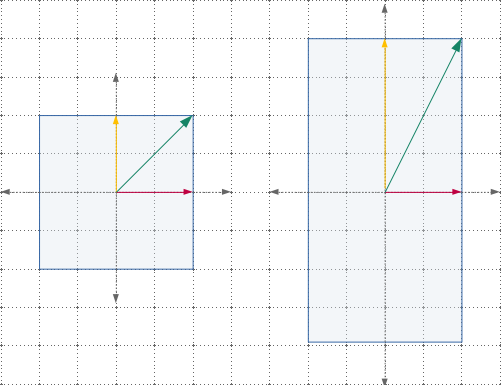
A visual introduction to eigenvectors and eigenvalues
A geometric, visual explanation of eigenvectors and eigenvalues through linear transformations such as scaling, rotation, and shearing.
-
 Data Science
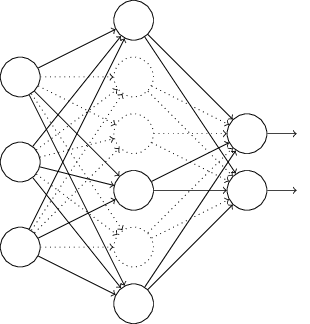
Dropout: Prevent overfitting
How dropout regularization prevents overfitting by randomly deactivating neurons during training, effectively ensembling many sub-networks.
-
 Data Science
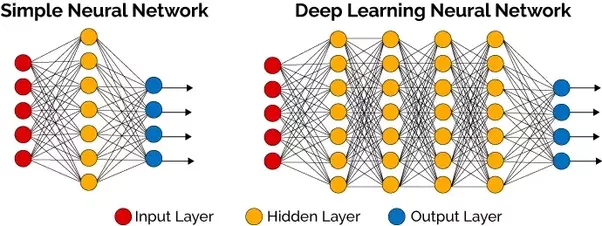
How deep should neural nets be?
Practical guidance on choosing neural network depth and layer sizes, input, hidden, and output layers for different problem types.
-
 Data Science
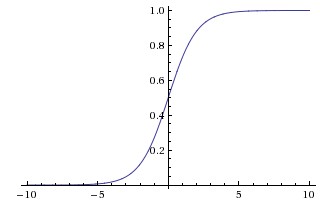
Don't use sigmoid: Neural Nets
Why sigmoid activation functions should be avoided in deep neural networks, and what alternatives like ReLU offer instead.
-
 Deep Learning
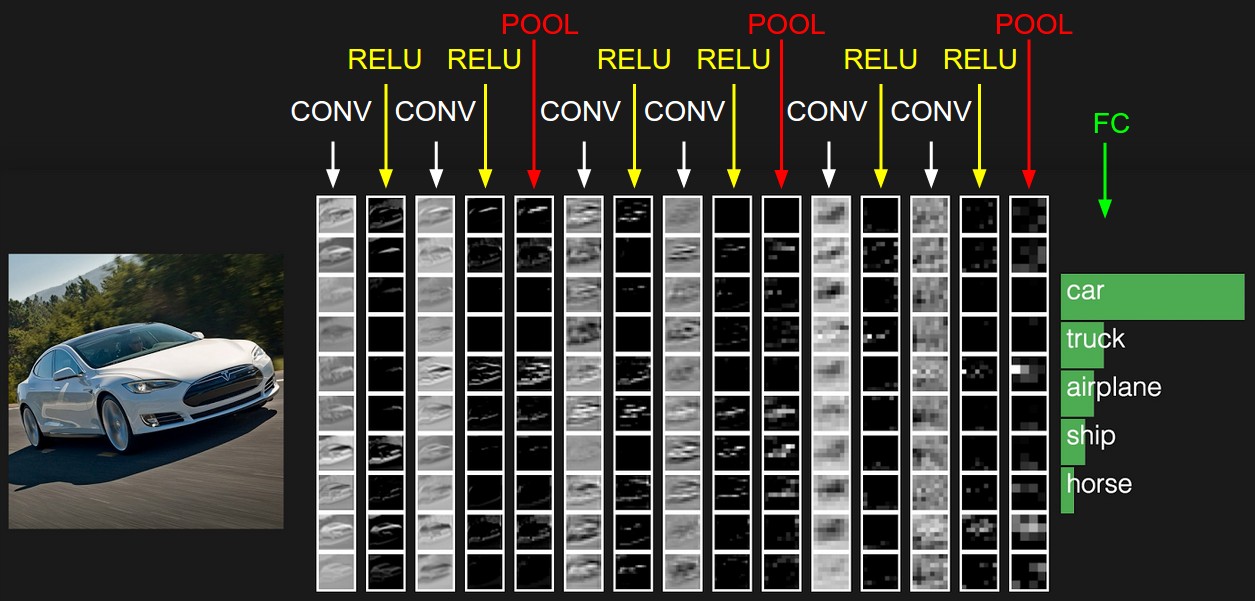
The magic behind ConvNets
How Convolutional Neural Networks work: convolutional, pooling, and fully connected layers, and how features are extracted from images.
-
 Personal
Smart India Hackathon 2018 grand finale
A recap of participating in Smart India Hackathon 2018, building a dengue risk prediction Android app using gradient boosting and a Django API.