Computer Vision
Deep dives into computer vision: object detection, segmentation, image captioning, CNNs, and beyond.
18 posts
-
 Computer Vision
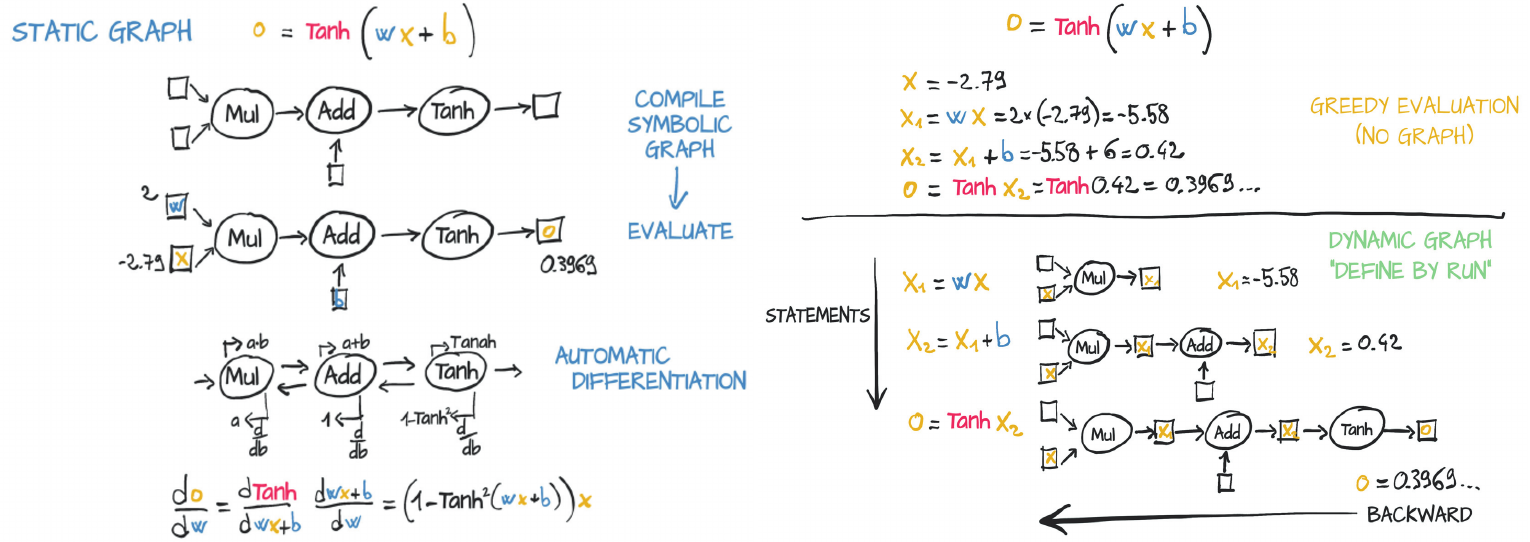
PyTorch Basic Tutorial
A practical introduction to PyTorch covering tensors, autograd, neural network modules, and key libraries like torchvision and torchaudio.
-
 Computer Vision
Color and Color Spaces in Computer Vision
Understanding color models (RGB, HSV, LAB, Luv) and color spaces in computer vision from additive mixing and chromaticity to perceptually uniform CIE spaces and Delta E color difference....
-
 Deep Learning
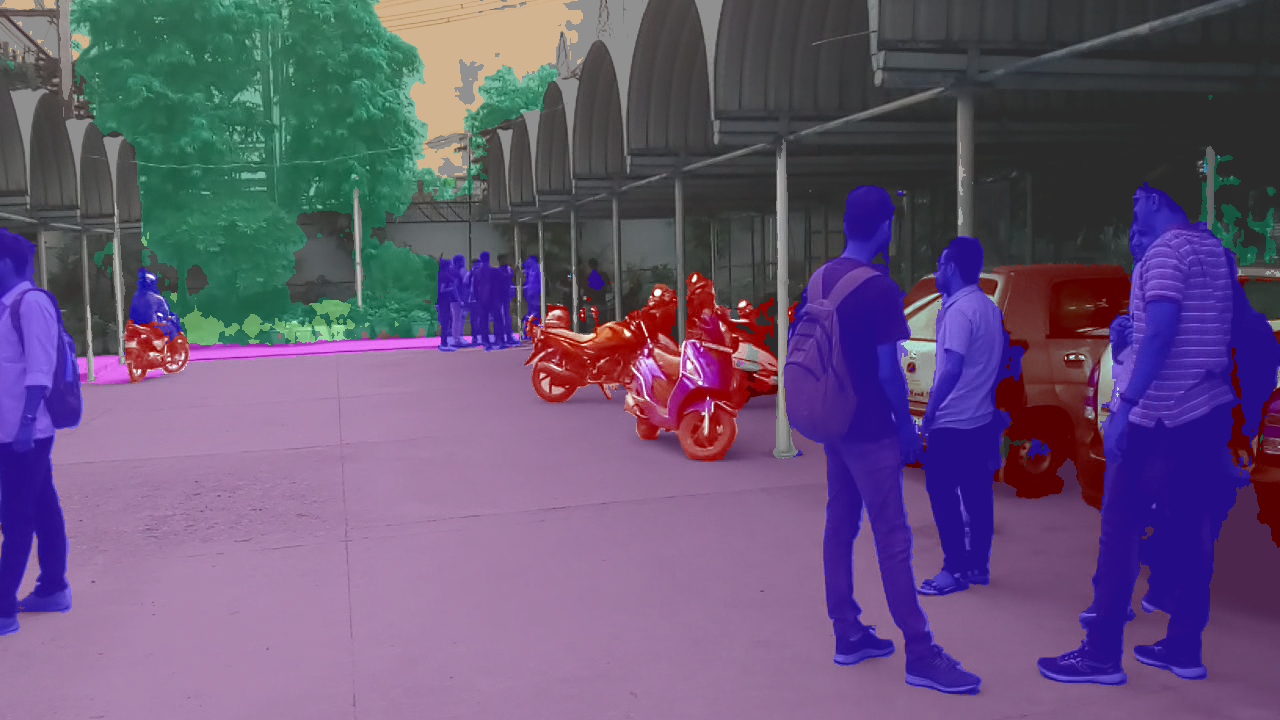
Introduction to Panoptic Segmentation: A Tutorial
Panoptic segmentation unifies semantic and instance segmentation assigning class labels and unique IDs to every pixel in an image.
-
 Deep Learning
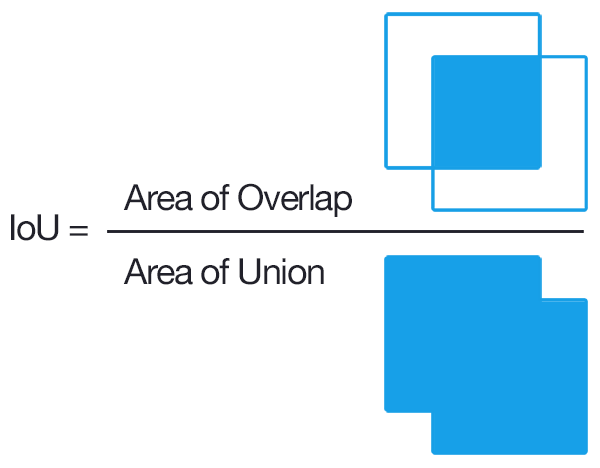
Evaluation metrics for object detection and segmentation: mAP
How IoU, precision-recall curves, and mean Average Precision (mAP) are used to evaluate object detection and segmentation models.
-
 Deep Learning
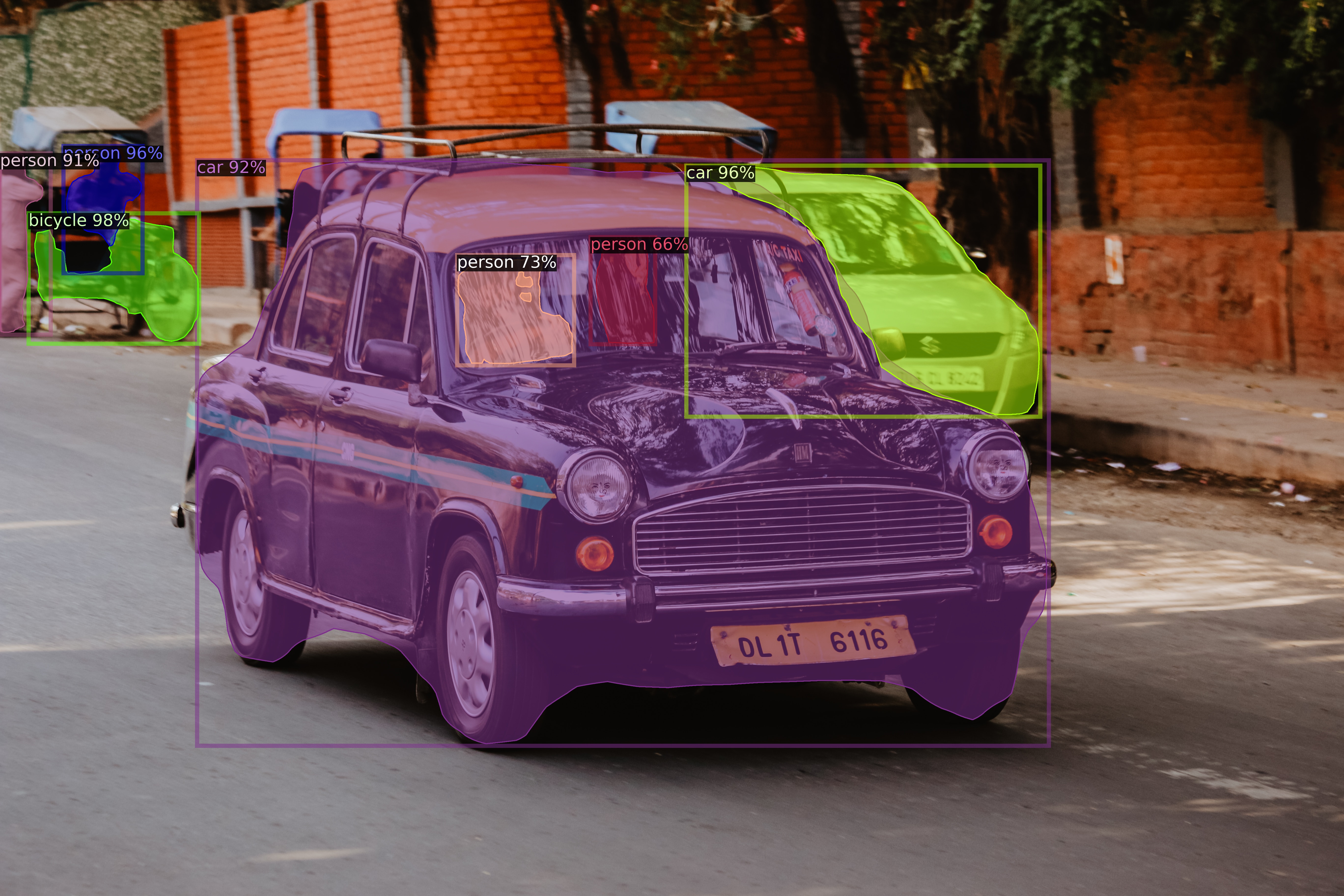
Quick intro to Instance segmentation: Mask R-CNN
Instance segmentation with Mask R-CNN: combining object detection and semantic segmentation to identify and segment each object instance separately.
-
 Deep Learning
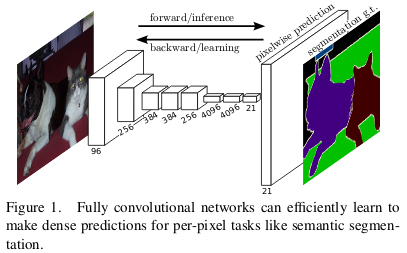
Quick intro to semantic segmentation: FCN, U-Net and DeepLab
An introduction to semantic segmentation, pixel-level classification using Fully Convolutional Networks, U-Net, and DeepLab architectures.
-
Deep Learning
Converting FC layers to CONV layers
How and why to replace fully connected layers with equivalent convolutional layers, enabling CNNs to accept arbitrary input sizes.
-
 Deep Learning
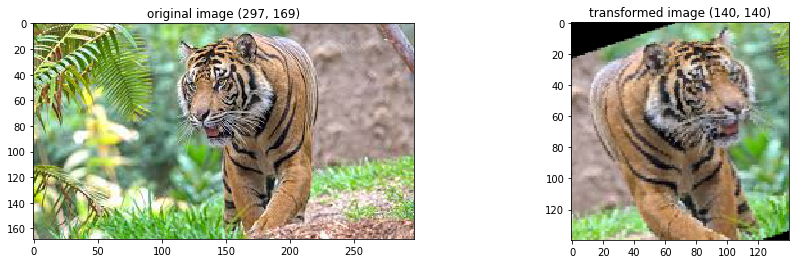
Data augmentation
How data augmentation like flipping, rotation, color jittering artificially expands training data to build more generalizable deep learning models.
-
 Deep Learning
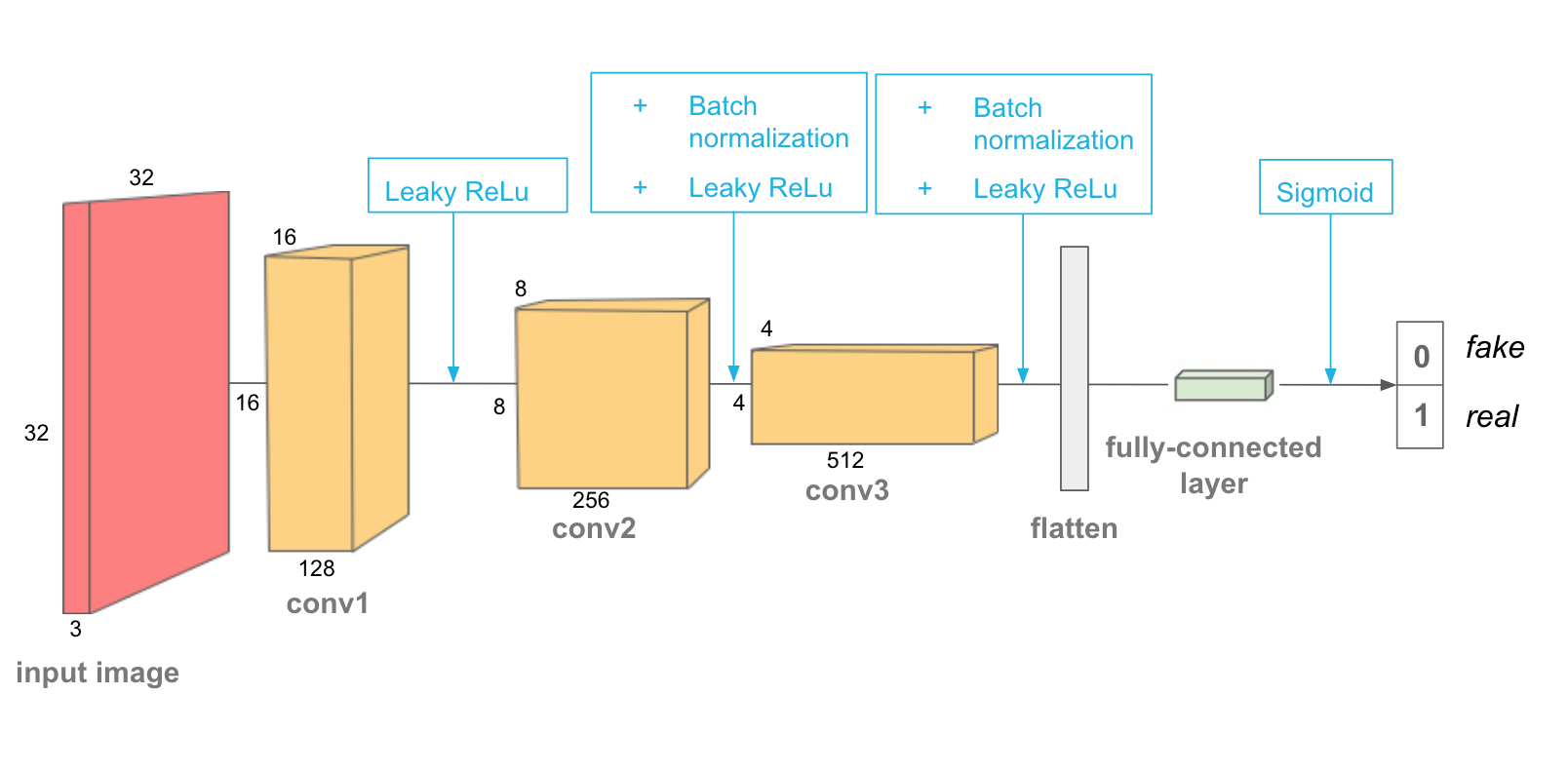
Generative Adversarial Networks variants: DCGAN, Pix2pix, CycleGAN
An overview of GAN variants, DCGAN for image generation, Pix2pix for paired image translation, and CycleGAN for unpaired style transfer.
-
 Deep Learning
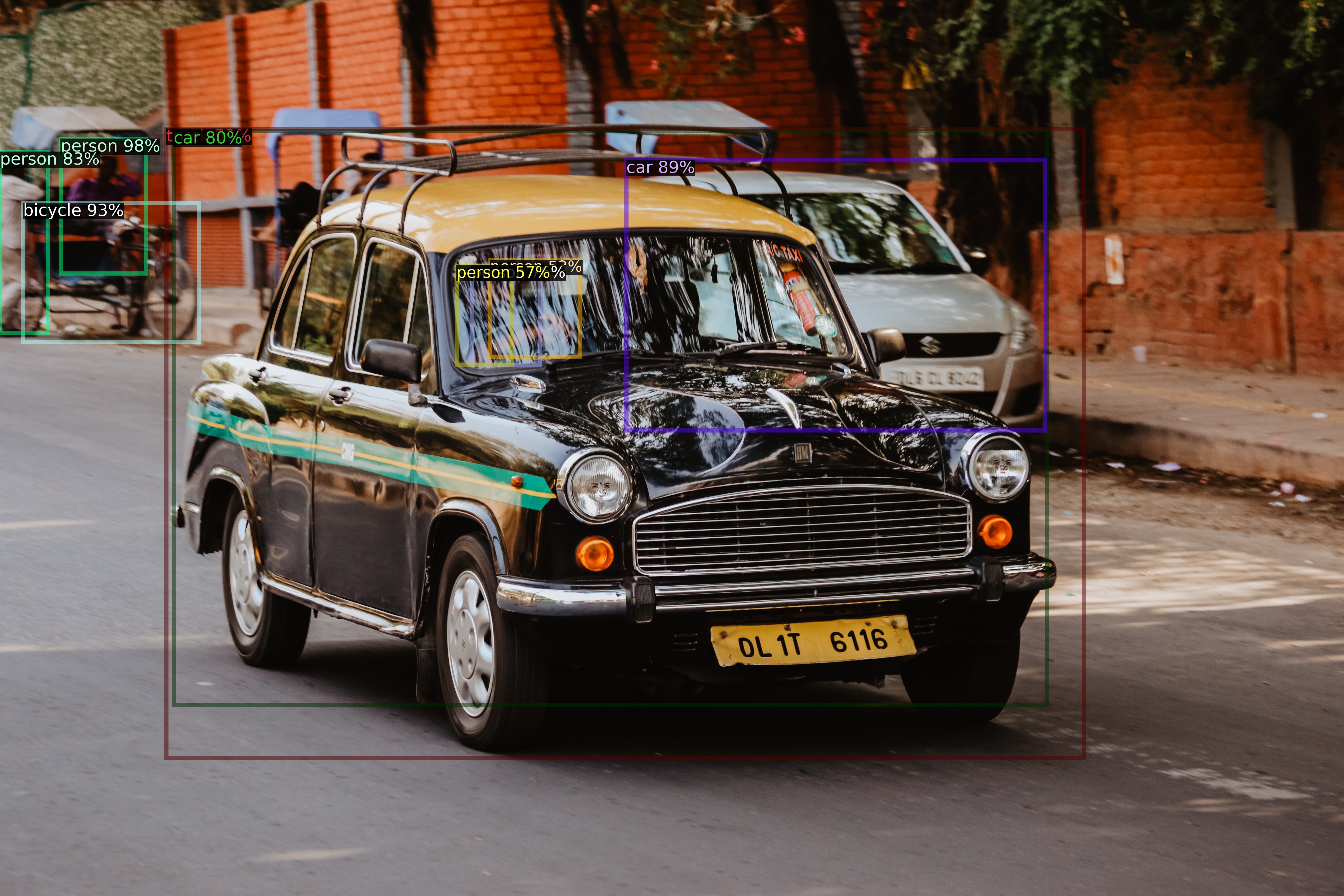
Quick intro to Object detection: R-CNN, YOLO, and SSD
A concise introduction to object detection methods, classification with localization, R-CNN family, YOLO, and SSD.
-
 Deep Learning
Attention
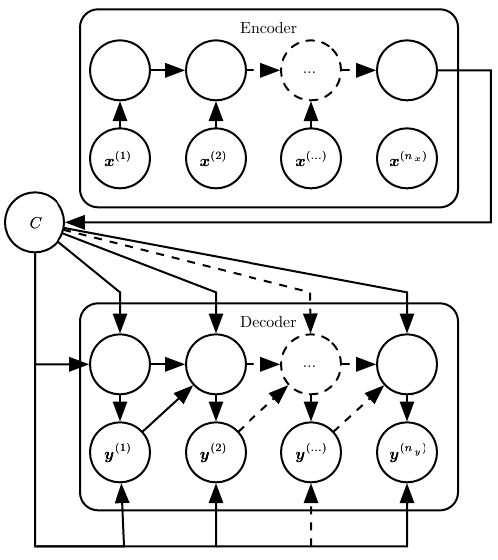
The attention mechanism in sequence-to-sequence models, how it allows the decoder to focus on relevant parts of the input at each step.
-
 Deep Learning
Image captioning using encoder-decoder
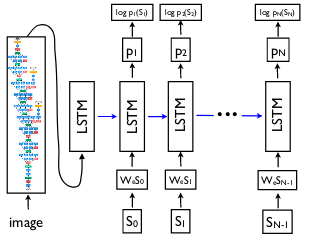
Building an image captioning system using a CNN encoder and RNN decoder based on the Show and Tell architecture.
-
 Deep Learning
Why Batch Normalization?
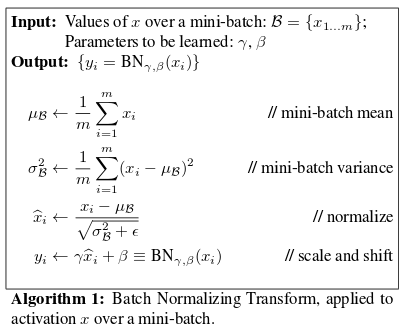
How batch normalization speeds up training by normalizing hidden layer activations across the network using learnable scale and shift parameters.
-
 Deep Learning
Filters in Convolutional Neural Networks
How convolutional filters detect spatial patterns and edges by responding to high-frequency changes in image pixel intensity.
-
 Deep Learning
Generative models and Generative Adversarial Networks
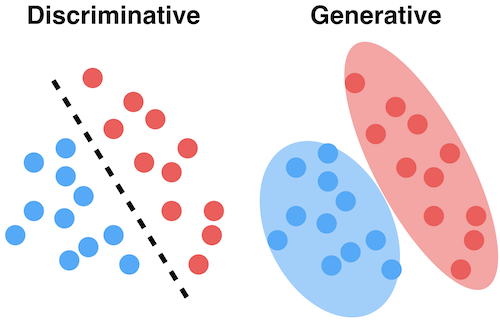
An introduction to generative models and GANs, how a generator and discriminator compete to produce realistic synthetic data.
-
 Deep Learning
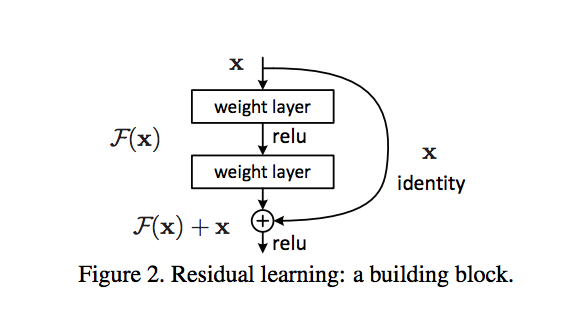
Skip connections and Residual blocks
How ResNet's skip connections and residual blocks solve the degradation problem in very deep neural networks.
-
Deep Learning
Transfer learning: How to build accurate models
Using pre-trained CNN models via feature extraction or fine-tuning to build accurate models when training data is limited.
-
 Deep Learning
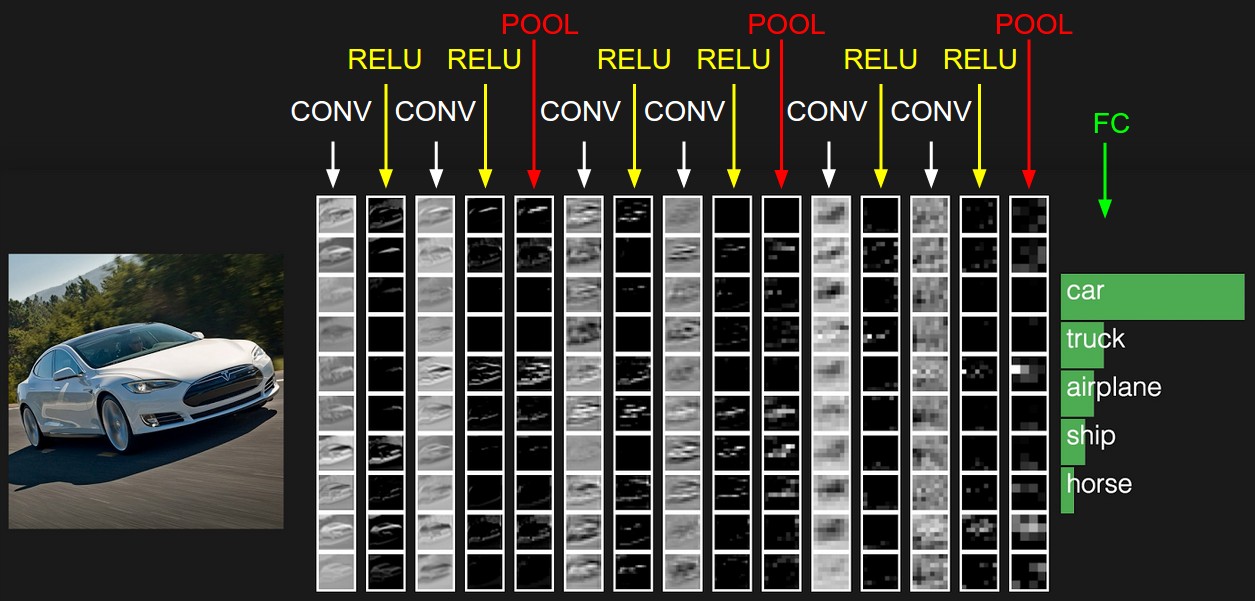
The magic behind ConvNets
How Convolutional Neural Networks work: convolutional, pooling, and fully connected layers, and how features are extracted from images.