Technical Fridays | Blog
Personal notes on machine learning, deep learning, and software engineering — what's Technical Fridays?
- Personal
- Data Science
- Machine Learning
- Algorithms
- Cryptography
- Mathematics
- Visualization
- Deep Learning
- Computer Vision
- Natural Language Processing
- Generative AI
- Speech Recognition
- CUDA
- LLM
- Agentic AI
-
 Computer Vision
Color and Color Spaces in Computer Vision
Understanding color models (RGB, HSV, LAB, Luv) and color spaces in computer vision from additive mixing and chromaticity to perceptually uniform CIE spaces and Delta E color difference....
-
 Deep Learning
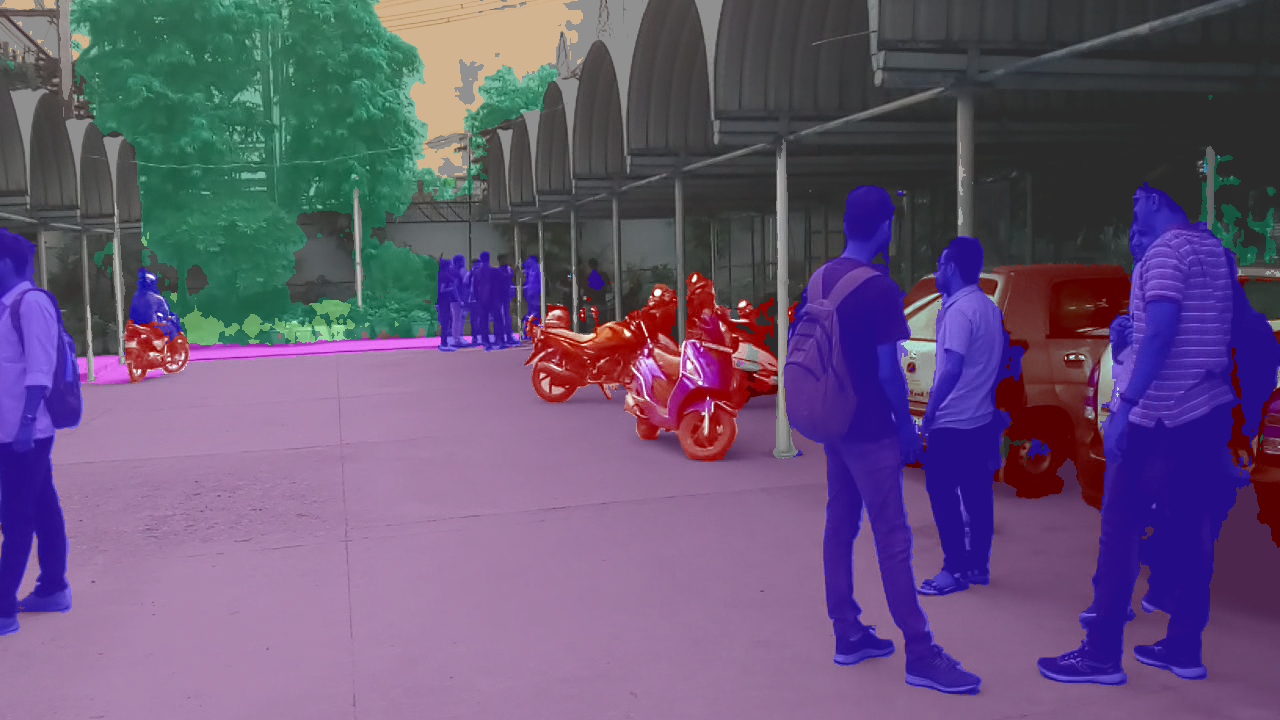
Introduction to Panoptic Segmentation: A Tutorial
Panoptic segmentation unifies semantic and instance segmentation assigning class labels and unique IDs to every pixel in an image.
-
 Deep Learning
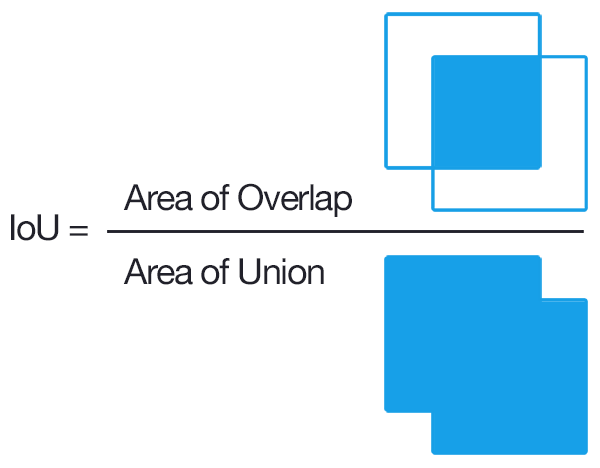
Evaluation metrics for object detection and segmentation: mAP
How IoU, precision-recall curves, and mean Average Precision (mAP) are used to evaluate object detection and segmentation models.
-
 Deep Learning
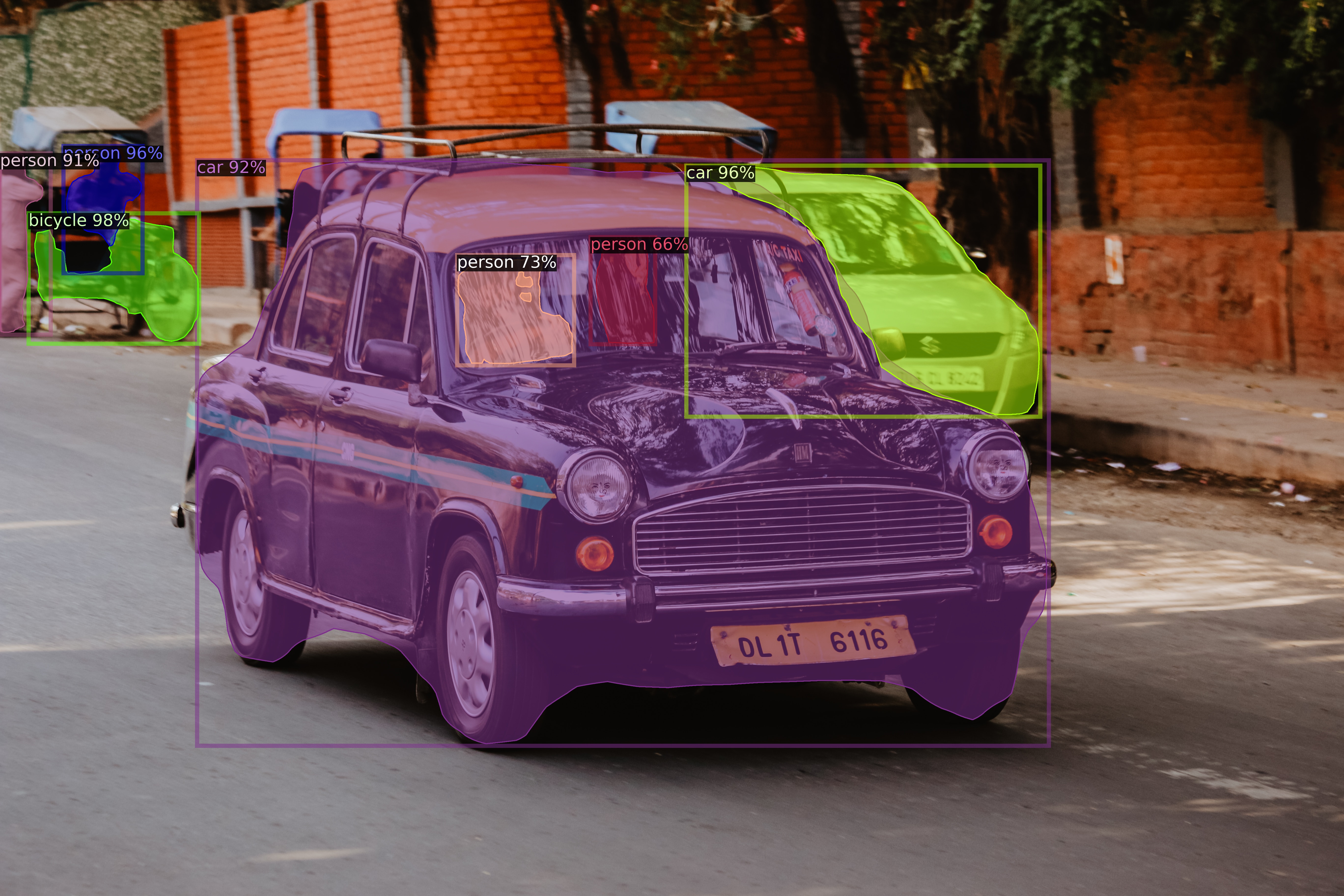
Quick intro to Instance segmentation: Mask R-CNN
Instance segmentation with Mask R-CNN: combining object detection and semantic segmentation to identify and segment each object instance separately.
-
 Deep Learning
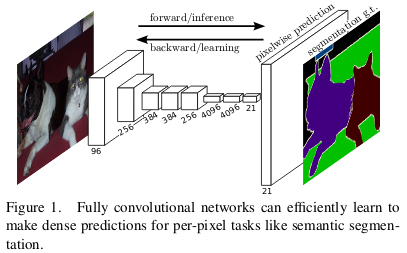
Quick intro to semantic segmentation: FCN, U-Net and DeepLab
An introduction to semantic segmentation, pixel-level classification using Fully Convolutional Networks, U-Net, and DeepLab architectures.
-
Deep Learning
Converting FC layers to CONV layers
How and why to replace fully connected layers with equivalent convolutional layers, enabling CNNs to accept arbitrary input sizes.
-
 Personal
Two Years of Technical Fridays
Marking two years of Technical Fridays, with over 10,000 global readers and a focus on computer vision going forward.
-
 Speech Recognition
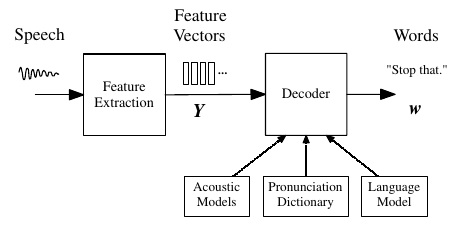
Introduction to Automatic Speech Recognition
The fundamentals of Automatic Speech Recognition (ASR), acoustic models, Hidden Markov Models, and how Bayes' rule drives decoding.
-
 Deep Learning
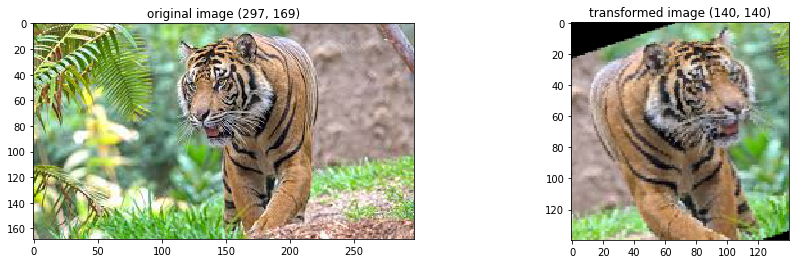
Data augmentation
How data augmentation like flipping, rotation, color jittering artificially expands training data to build more generalizable deep learning models.
-
 Deep Learning
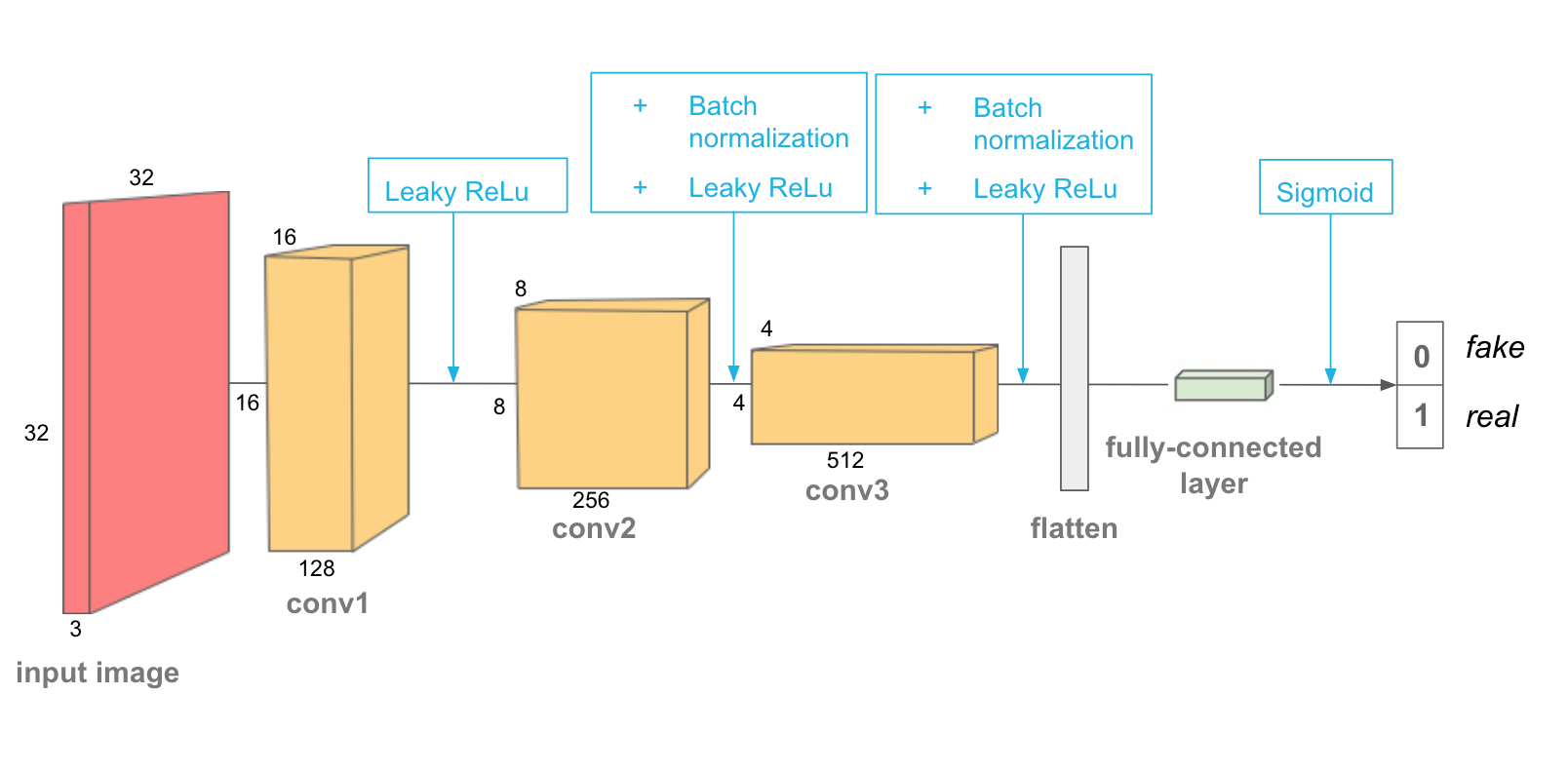
Generative Adversarial Networks variants: DCGAN, Pix2pix, CycleGAN
An overview of GAN variants, DCGAN for image generation, Pix2pix for paired image translation, and CycleGAN for unpaired style transfer.